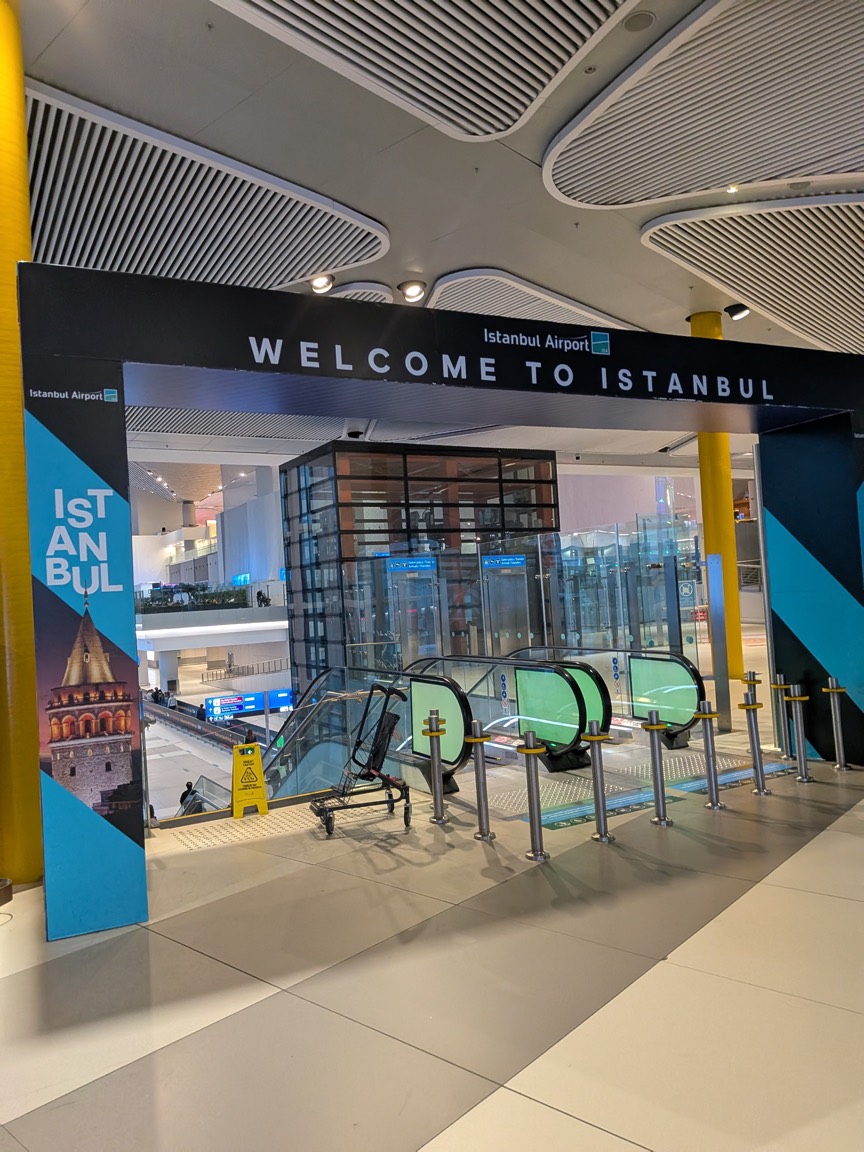
Istanbul, officially in Türkiye, carries more old names than most cities manage in a lifetime, Constantinople and Byzantium among them. It's also one of the only cities on earth genuinely split across two continents, the Bosphorus dividing Europe from Asia right through the middle of it. This trip covered both sides properly, one video each, and the second half turned out to be the real surprise.
Part 1: the European side, mosques and a maze of a market
Hagia Sophia, the Blue Mosque, the Grand Bazaar, and Galata Tower at sunset.
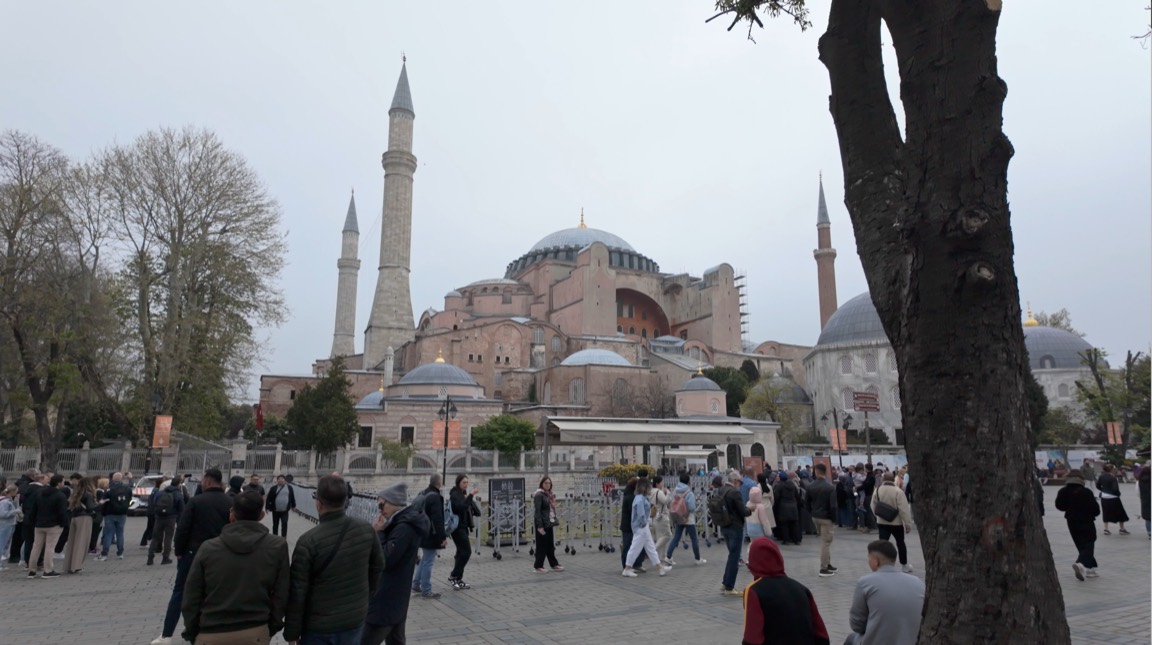
Istanbul's most photographed landmark, the Blue Mosque, sits in the Sultanahmet district alongside its older neighbour, Hagia Sophia, and the two make an obvious starting point. Hagia Sophia has had a genuinely unusual life: originally built as a wooden church, destroyed by fire and rebuilt in stone around 500 AD, it served as a church for roughly a thousand years until the Ottoman conquest in the 1500s converted it into a mosque. It stayed a mosque until the early 20th century, when the newly secular Republic of Turkey converted it into a museum instead, a status it held until a further conversion back to a mosque in 2020. Christian mosaics remain visible inside alongside the Islamic elements added more recently, a rare building that's genuinely worn every major religious identity of this city's history at some point.
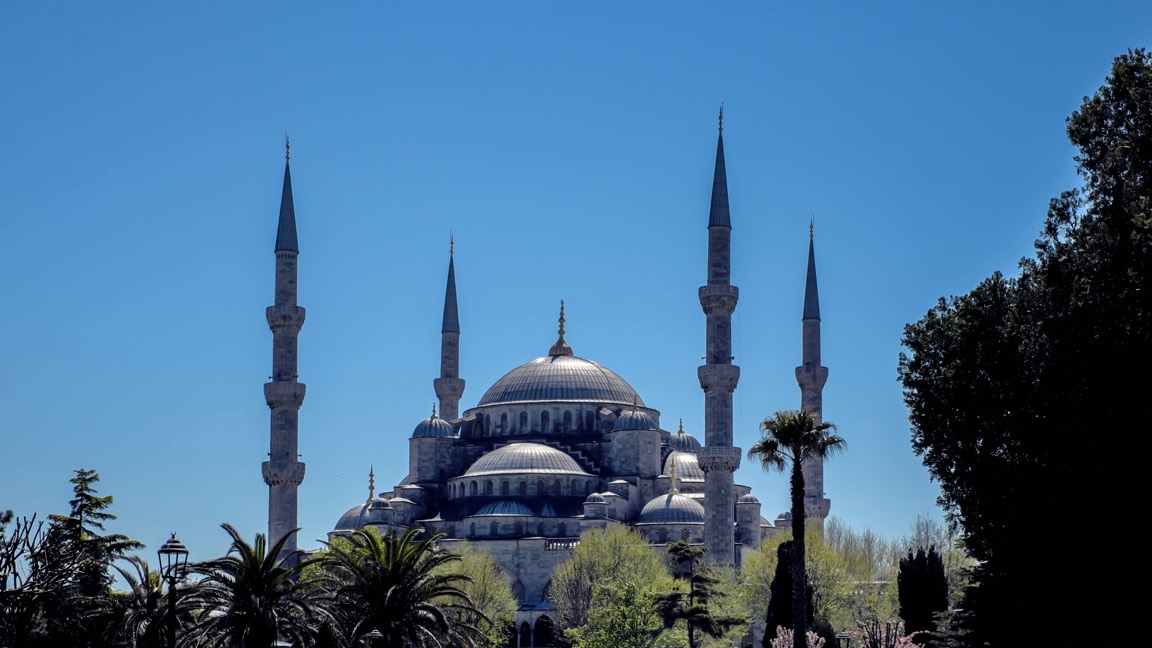
The Blue Mosque itself, built in the 1600s under Sultan Ahmed, has a far simpler backstory but a fun bit of trivia attached: it was originally built with six minarets, a number that caused real controversy at the time, since only the mosque in Mecca was meant to have six. A seventh minaret was hastily added elsewhere to resolve the issue. The mosque's interior, awash in blue tilework, is genuinely striking in person in a way photos rarely capture properly.
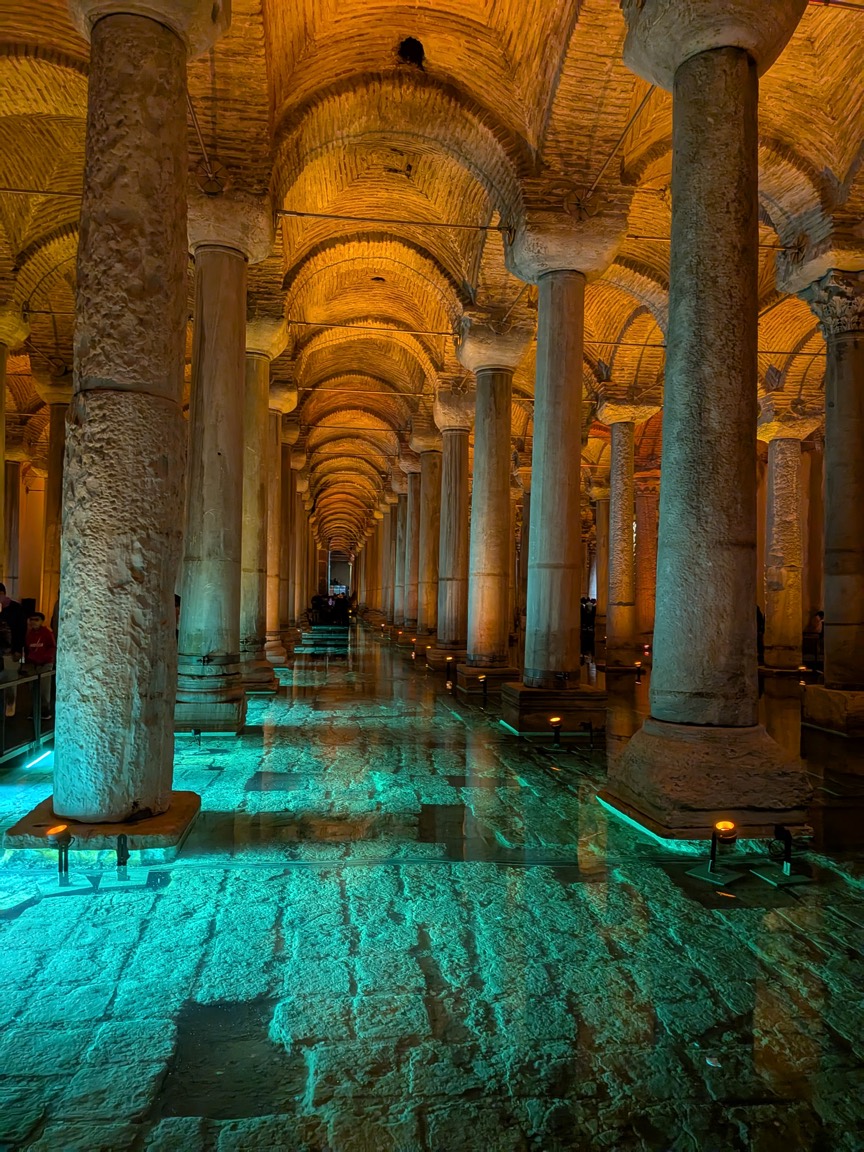
Just outside sits the Hippodrome, a Roman-era public gathering space, home to obelisks brought over from Egypt, the same practice covered on an earlier stop on this trip through Rome. Roasted chestnuts and corn from nearby street vendors make for a genuinely good snack in the cold, and the nearby Basilica Cistern, a vast Roman-era underground water storage system, is worth ducking into purely for the scale of the engineering involved.
The Grand Bazaar, reportedly the largest covered market in the world, though that claim is hard to verify independently, easily swallows an hour of aimless wandering, gold, jewellery, and rows of genuine handwoven Turkish towels, noticeably lighter and more absorbent than the mass-produced versions the name usually gets attached to elsewhere. Haggling is expected here, and going in prepared to negotiate makes a real difference to the final price.
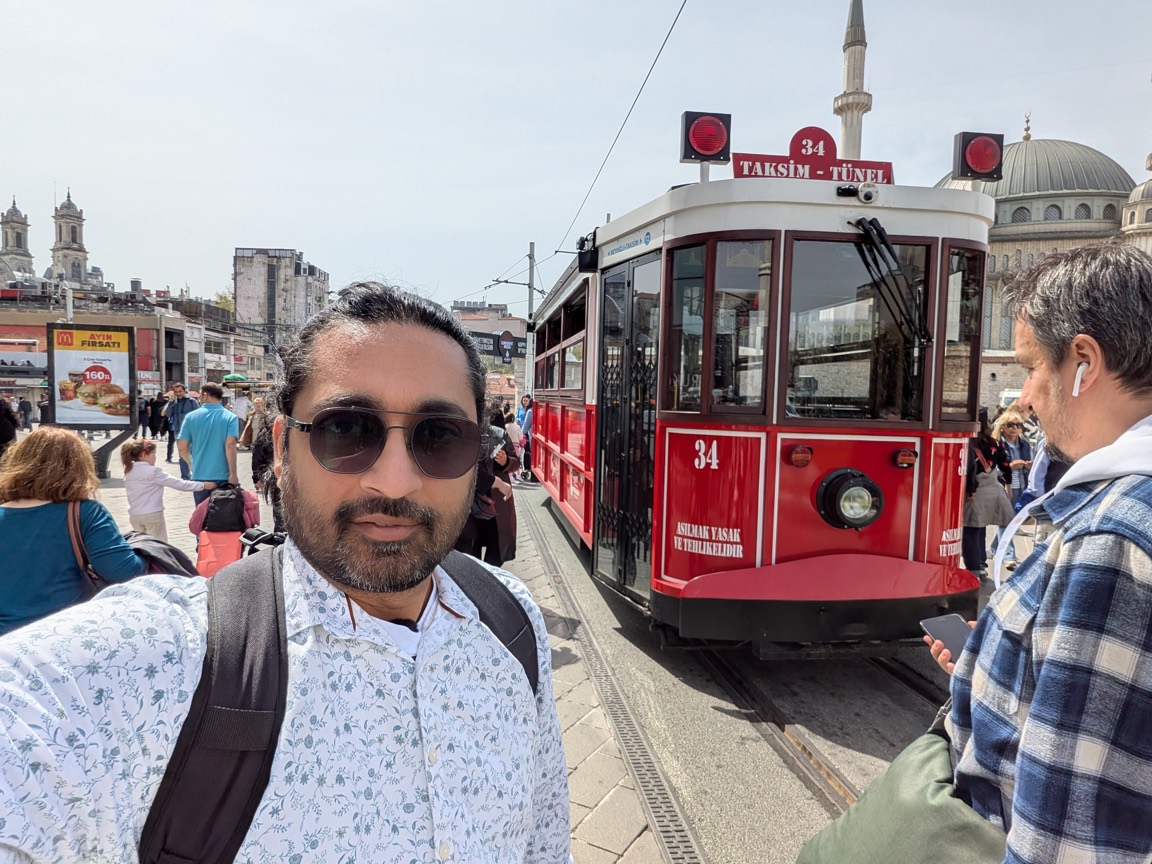
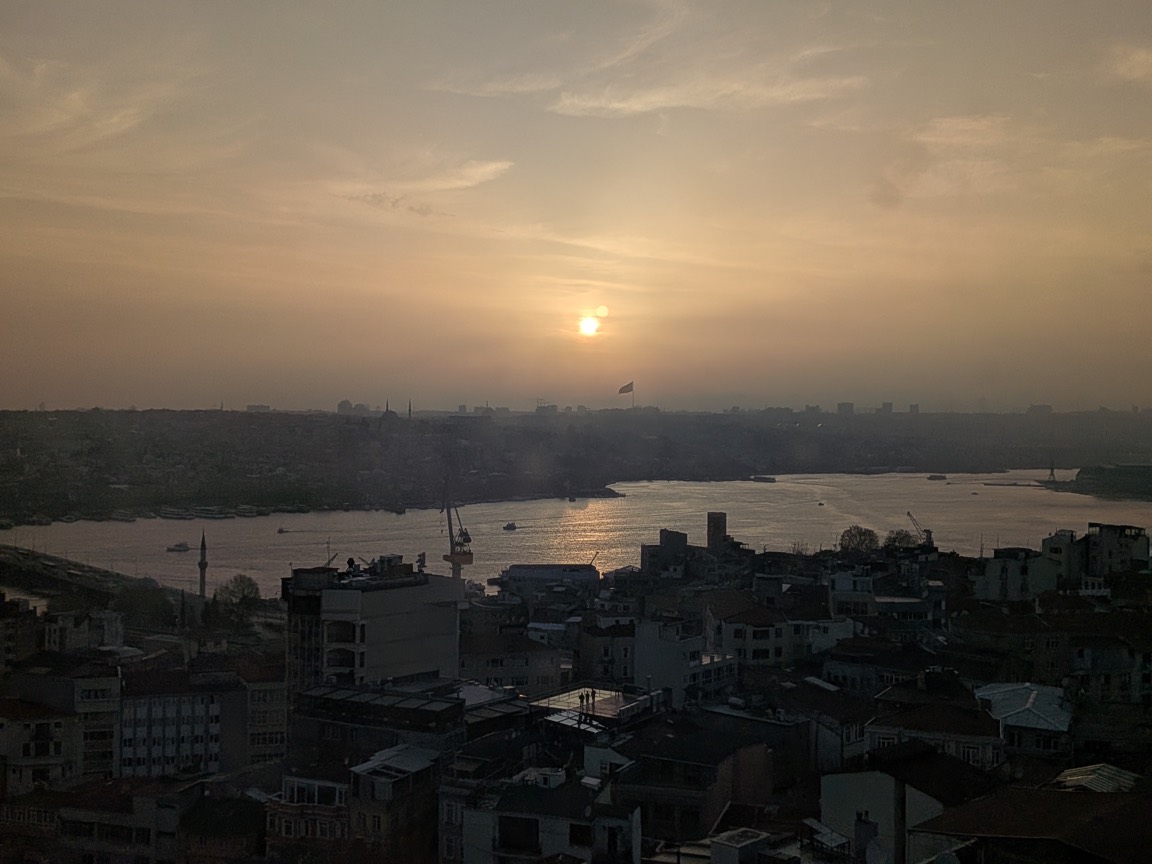
Istiklal Street, a long pedestrian strip near Taksim Square, runs a small heritage tram down its centre, first installed in the early 1900s, shut down in the 1960s once the street went fully pedestrian, and revived decades later purely as a tourist attraction and a slow, accessible way to cover the street's length. Istanbul even has its own Trump Tower, a reminder of just how globally spread that particular brand of real estate is. Galata Bridge, lined with locals fishing at all hours, crosses over to Galata Tower, first built in 520 AD, rebuilt in its current form sometime in the 1400s, and climbable for genuinely excellent sunset views over both the European skyline and, across the water, the Asian side waiting for the following day.
Part 2: crossing to Asia, and an unexpected favourite
A ferry across the Bosphorus, Kadıköy, and a genuinely surprising Asian-side Istanbul.
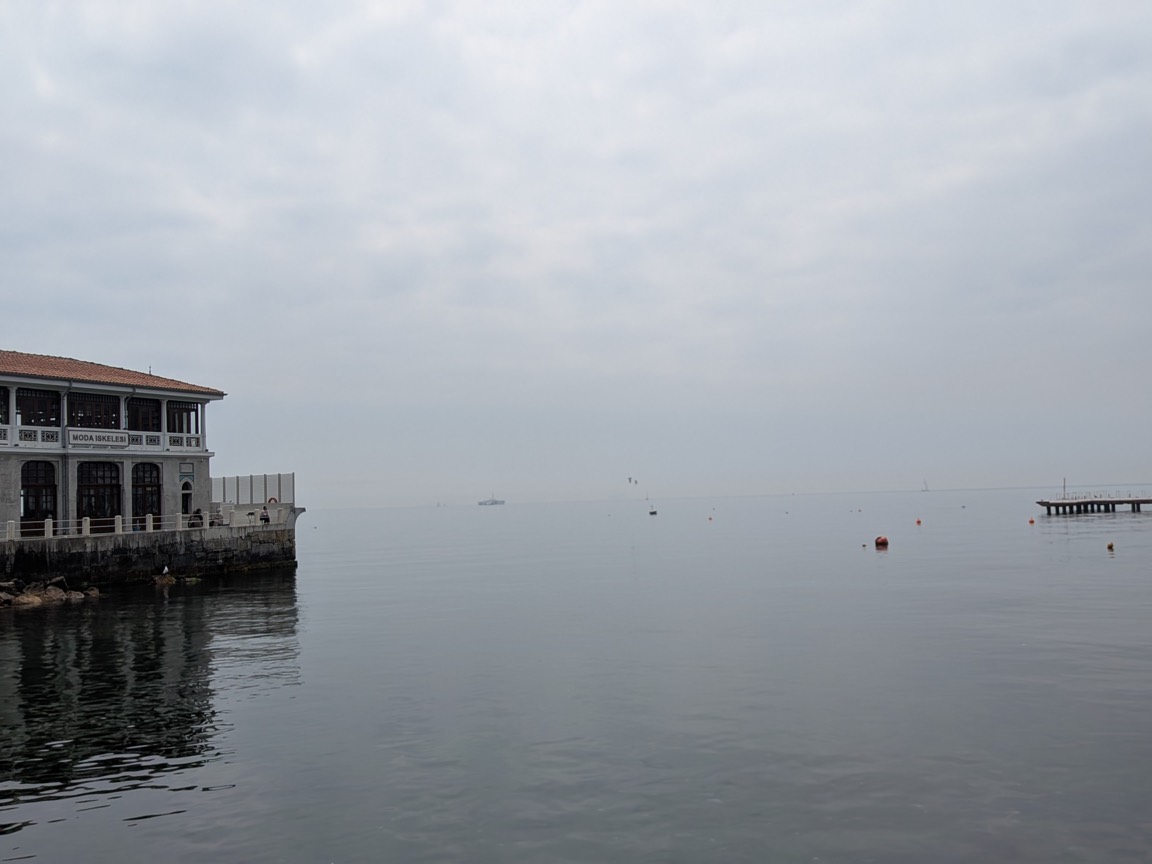
Getting around Istanbul runs almost entirely through a single transit card, useable on every mode of public transport and, notably, even public restrooms. With that card in hand, a ferry from the European side crosses to Kadıköy on the Asian side in about half an hour, a proper multi-deck boat with indoor seating, a small café serving Turkish tea, and an open-air upper deck with sweeping views back over the skyline: the Blue Mosque, Hagia Sophia's dome, Galata Tower, and, further off, Topkapı Palace, all visible at once from the water. The Bosphorus, worth correcting here, isn't technically a river at all, it's a strait connecting the Sea of Marmara to the Black Sea, with the ferry crossing running through the Sea of Marmara itself.
Arriving in Asia felt like flipping the city's script entirely. Cats are genuinely everywhere here, fed and looked after with what seemed like informal government support, dogs far less common by comparison, a small but telling sign of how much value the local culture places on animals underfoot. A quick stop in a neighbourhood grocery store turned up Turkish delight, dried dates, spices, and locally made soaps, worth a browse even without buying much.
The real surprise was the architecture. European-side Istanbul, expected to be the more polished half, turned out to feel touristy and a little chaotic in comparison; the Asian side, mostly residential and far less visited by tourists, was unexpectedly colourful and well kept, blue, turquoise, yellow and red buildings lining quiet streets, alongside a run of distinctly themed, genuinely stylish coffee shops that wouldn't feel out of place in a far more curated part of any major city.
Lunch happened almost by accident at an Indian restaurant, Spice Corner, spotted while craving something other than another pizza: achari paneer, chilli naan, masala papads and a masala lassi, portions large enough for two, and genuinely well made, a pleasant surprise so far from home. A small joke followed the bill: a Telugu film director's fictional "Turkish word" for a number, used for comic effect in one of his movies years ago, turned out, on asking a local directly, to mean absolutely nothing in actual Turkish, a small reminder not to take movie trivia too literally.
A quiet riverside stretch near Kadıköy offered a genuinely different pace, clear water with visible jellyfish, locals relaxing on the rocks for hours at a time, nothing that felt remotely like being inside a major city. A nearby park, built around an artificial waterfall and pond at the base of a hill topped with a television tower, drew families out for picnics in a properly relaxed, unhurried atmosphere entirely unlike the tourist crush back across the water.
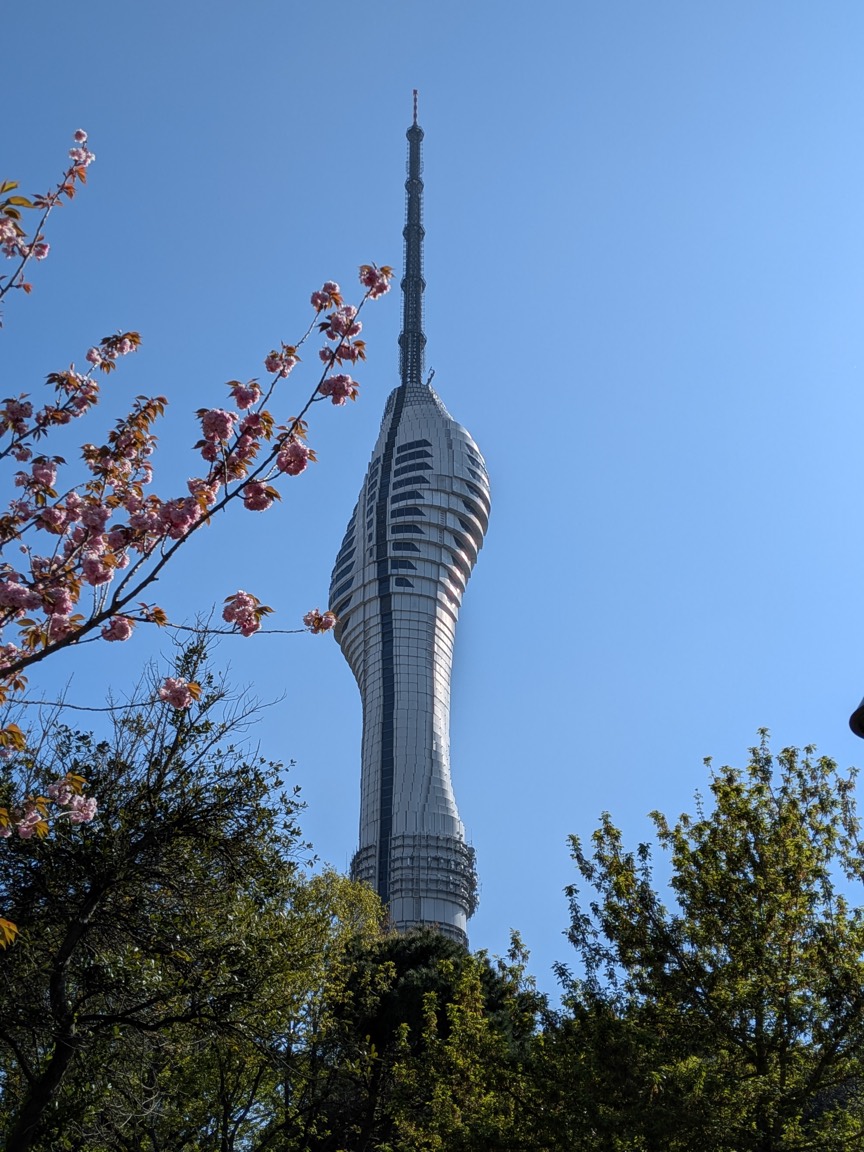
The return trip ran via the Metrobüs, a dedicated-lane rapid bus service considerably faster than regular traffic, crossing back over the bridge connecting Asia to Europe, the same one visible from Galata Tower the evening before. One last stop closed the loop properly: returning to a vegan restaurant visited the previous day to settle a bill accidentally left unpaid, a small but deliberate act of honesty before heading back to the hostel and, eventually, the airport.
Asked to pick a side, the answer leaned firmly toward the Asian side, less to see on paper, technically, but a far more genuine, relaxed feel than the understandably crowded, tourist-heavy European half.
Practical tips for Istanbul
- Istanbul transit card: get one on arrival, it covers ferries, trams, buses, the Metrobüs, and even public restrooms.
- Hagia Sophia and the Blue Mosque: visit early to beat the queues, both draw serious crowds even first thing in the morning.
- Grand Bazaar: go in ready to haggle, especially for towels, textiles, and jewellery.
- The Bosphorus ferry to Kadıköy: don't skip it, the Asian side offers a genuinely different, less touristy side of the city.
- Galata Tower: time your visit for sunset, the views over both continents are worth planning around.