
A hilltop sunrise, a Moorish fortress, a cathedral that's been under construction for four hundred years, Picasso's birthplace, and a bullring that turned out to double as a Tollywood film set. Malaga packed in far more than a typical beach-city stop.
Gibralfaro, the Alcazaba, Picasso's birthplace, Malaga Cathedral, and the Plaza de Toros.
A modern beach city, on purpose
After a stretch of Greek and Roman history on this trip, Malaga was a deliberate reset: a modern, colourful beach city on Spain's south coast, and a chance to slow down for a day. Getting from the airport into the city centre is genuinely easy, a direct train covers the distance in about 12 to 13 minutes for under three euros, far simpler and cheaper than a taxi, and it comfortably handles a suitcase or two.
The first stop that evening was a vegan restaurant, a nice surprise given how hard plant-based food can be to find in parts of Spain: a pineapple, ginger and lime drink with date syrup and mint, followed by a tofu, rice and potato dish finished with edible flowers. Nothing extraordinary, but a solid, satisfying meal to start the trip.
Sunrise, Gibralfaro, and a familiar rampart walk
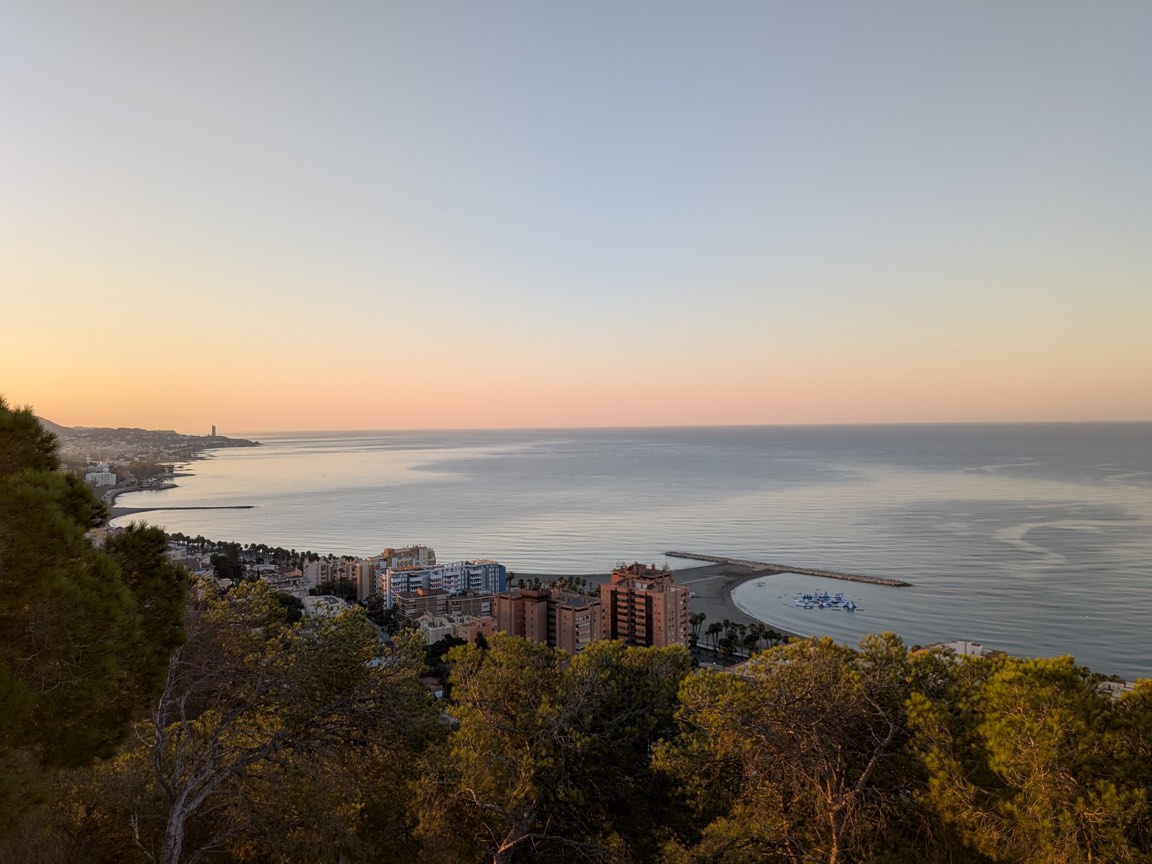
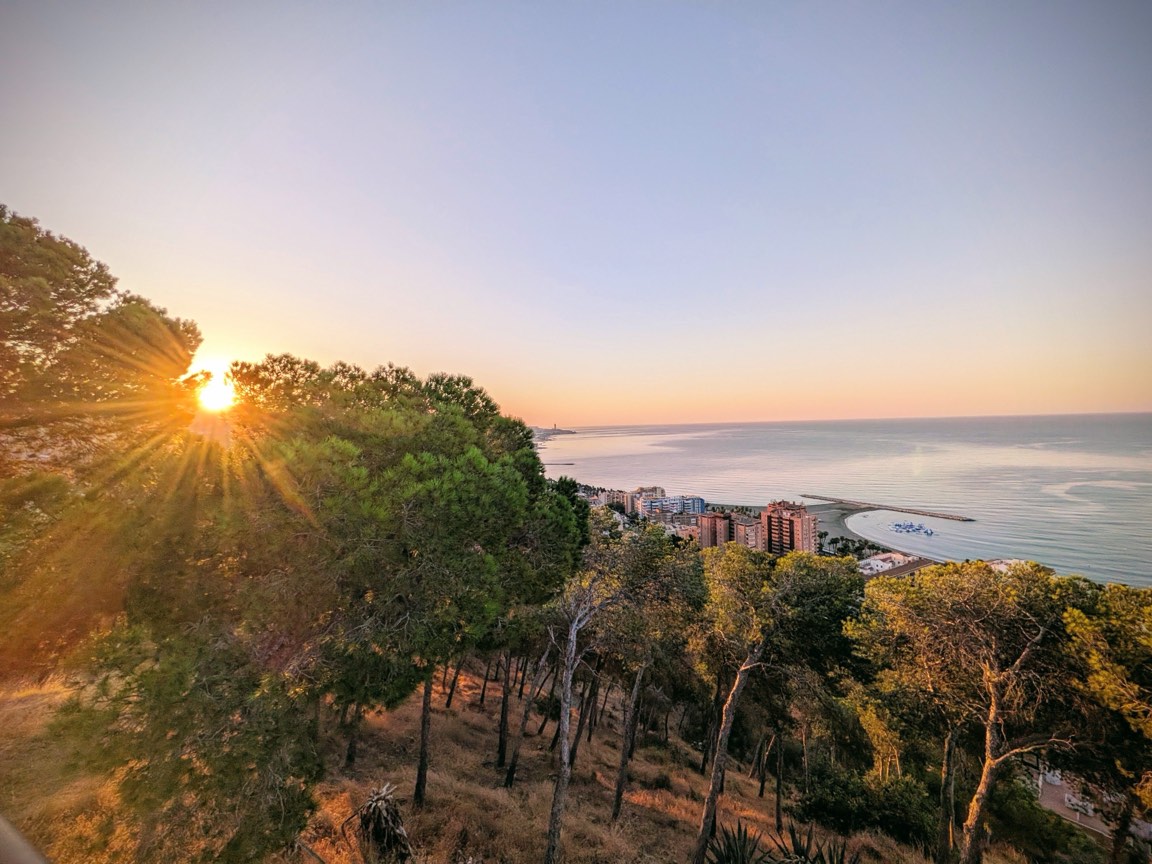
The next morning started early at a viewpoint below Gibralfaro hill, chasing the sunrise. A few trees blocked the exact moment the sun broke the horizon, but the wider view more than made up for it: the sea on one side, hills on the other, and Malaga's port and old town laid out below.
From there it was up to Gibralfaro Castle itself, a fortress built specifically to guard the city and its sister site, the Alcazaba, down the hill. Walking the ramparts brought back memories of the rampart walk in Jerusalem covered earlier on this trip, though the comparison doesn't hold for long: where Jerusalem's ramparts offered almost no view of the city below, Gibralfaro's walls open up onto the whole of Malaga, the port, the bullring, and the old town all visible at once from different points along the walls. A small on-site museum covers the fortress's military history, soldiers' uniforms among the exhibits, modest in size but a useful stop before heading down to the Alcazaba.
The Alcazaba, a Moorish palace with sweeping views
The Alcazaba dates back to around 1100 AD, built by Moorish rulers who arrived from North Africa, and functioned as both a fortified palace and residence for the ruling family, with Gibralfaro serving as its security up the hill. Inside is a compact but genuinely pretty palace garden with fountains, along with the remains of the Nasrid Palace, partly reconstructed after suffering damage over the centuries. The views from the upper sections, looking back over the city and port, are some of the best in Malaga, and a combined ticket covering both the Alcazaba and Gibralfaro cost well under six euros, with barely any crowds to contend with.
One unexpectedly fun detour here: Picasso's connection to Malaga came up, which set off a chain of Telugu film references, from an A. R. Rahman number in Premikudu to a song from a film called Swayamvaram, both built around the idea of a painting, a fitting tangent for the birthplace of one of the world's most famous painters.
Picasso's birthplace and museum
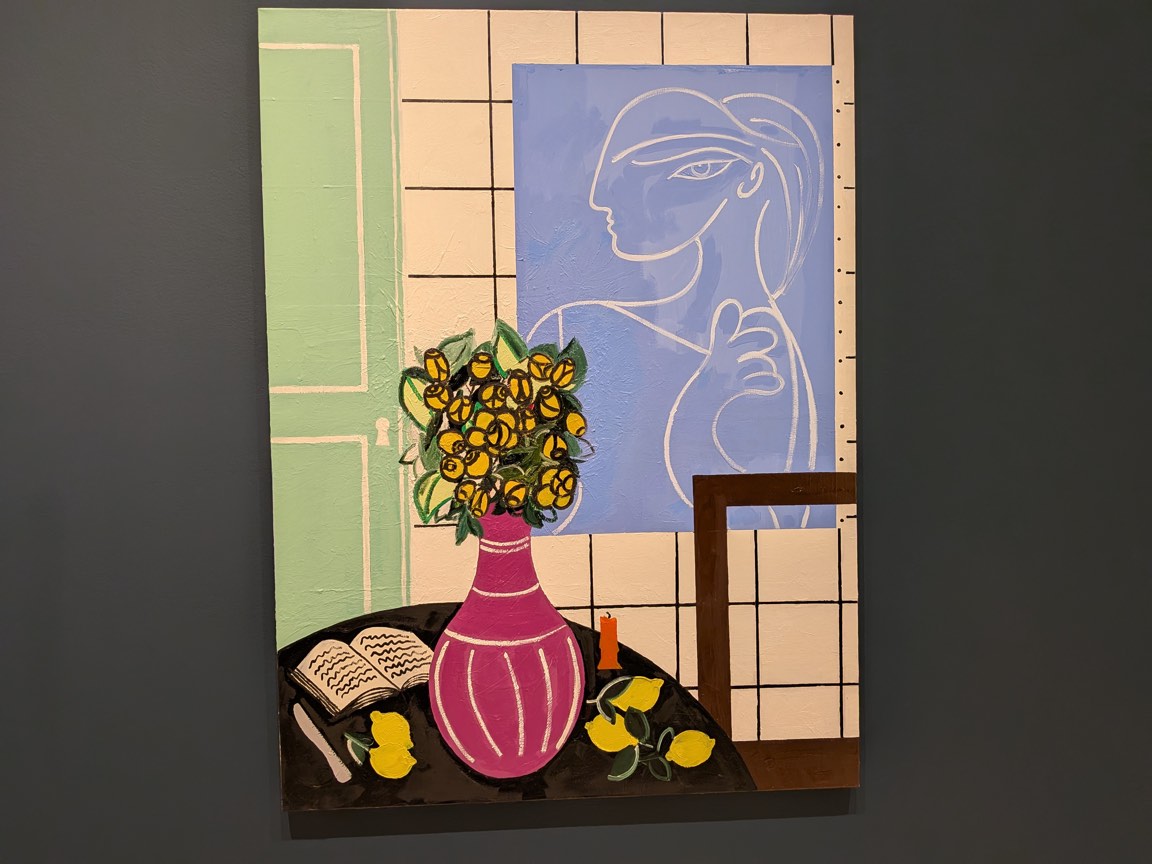
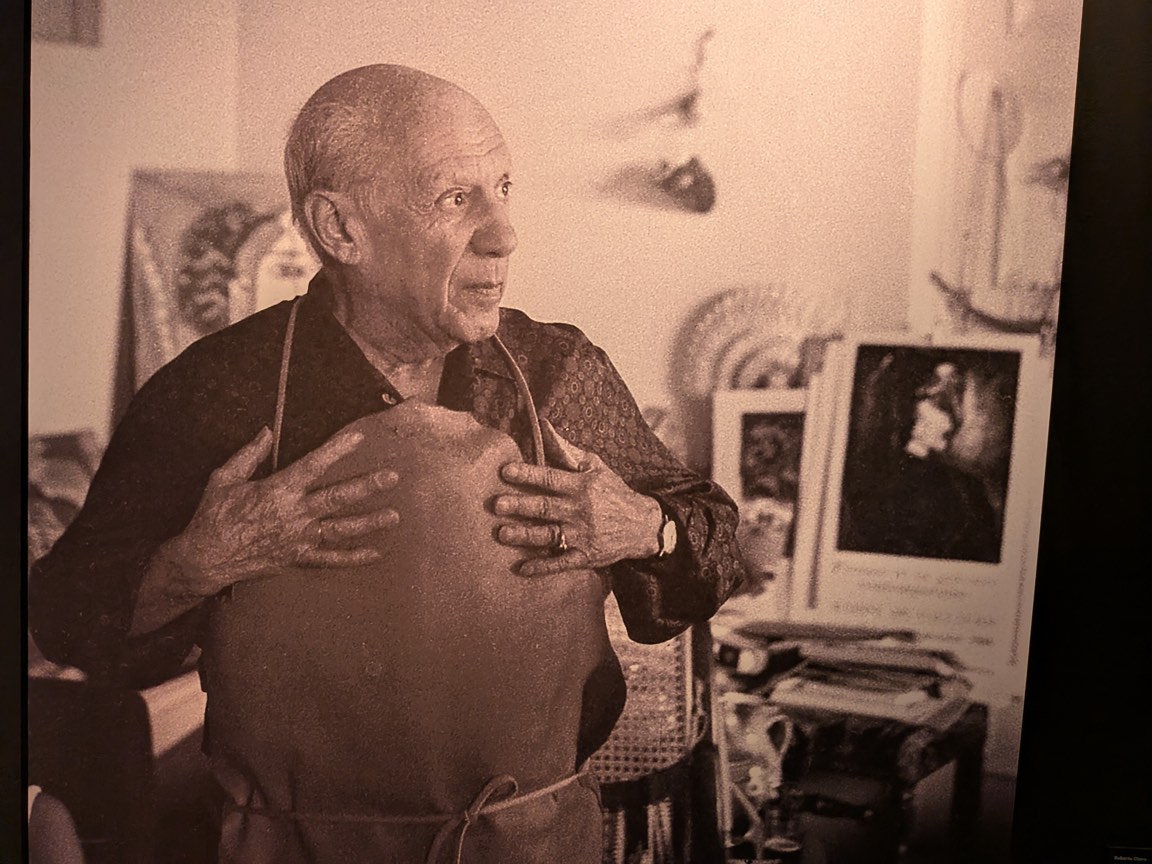
Pablo Picasso, the modern art icon, was born in Malaga, and the city is understandably proud of it, with a dedicated museum housed close to his birth home. Modern art isn't something that comes naturally, plenty of the paintings on display defied easy interpretation, but the sheer range of what Picasso worked in stood out: painting, sculpture, printmaking, and pieces built from wood, plastic, and even plaster of Paris. A staff member, noticing an ongoing video shoot, asked that filming stop but was happy to allow unlimited photography instead, so the museum lives on here only in stills, not footage.
Lunch, and a paella made specially vegetarian
Lunch meant tracking down proper Spanish food that could still work as a vegetarian meal, and paella, called "paya" locally rather than the anglicised pronunciation, turned out to be available meat-free on request. It isn't a naturally vegetarian dish, rice usually cooked with meat or, in coastal cities like this one, fish, but the restaurant made an exception and packed it with vegetables instead, aubergine included. It didn't taste much like the rice dish itself suggested it might, more like a flavourful, slightly charred rice than anything resembling a curry, but it worked, and a bit more spice would have made it better still.
Malaga Cathedral, unfinished after four hundred years
Malaga Cathedral has been under construction for roughly four hundred years and remains incomplete to this day: one of its two planned bell towers was simply never finished, leaving it topped off partway up. That missing tower is exactly why locals nicknamed the building "La Manquita," the one-armed lady, since only one of its two towers was ever completed. The building's fountain outside runs at half capacity too, water flowing from only one of its four spouts. Because construction has spanned four centuries, the cathedral shows a genuine mix of architectural styles layered over different eras, work was still visibly ongoing on parts of the facade even during this visit.
The Plaza de Toros, and an unexpected Tollywood connection
A tunnel walk beneath Gibralfaro, its acoustics turning even a small speaker into a genuinely immersive soundtrack, leads out near Malaga's Plaza de Toros, the city's historic bullring. A numbered audio guide, included in a roughly thirteen-euro ticket, explains each part of the stadium as you go: the presidential box, where officials once signalled a bull's fate with a handkerchief, the shaded seats priced higher than the sun-exposed cheap seats, and the holding pens where bulls were once kept before being released into the ring.
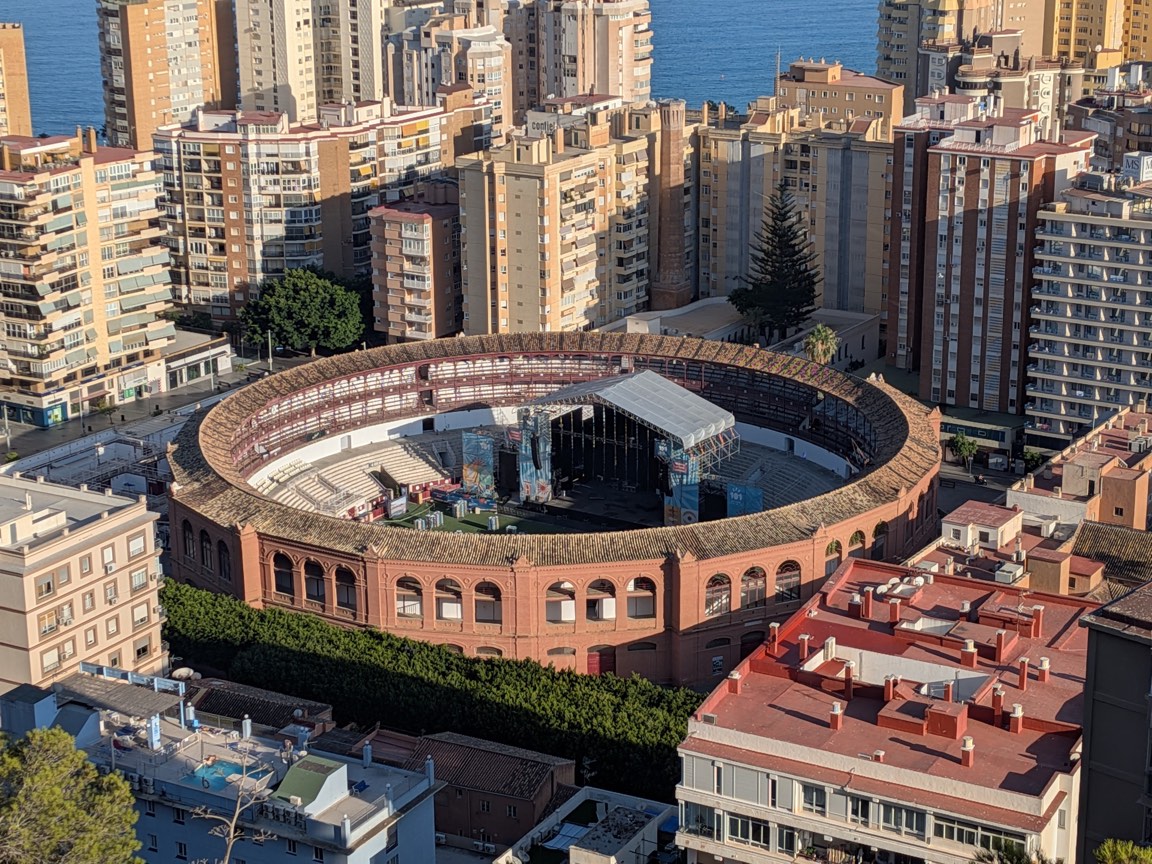
The real surprise was the bullring itself: this same stadium was used to film a Telugu song from the movie Dhamaka, starring Ravi Teja and Sreeleela, background details in the ring matching what's visible on screen once you know to look for them. The visit also included a VR headset simulating what it might feel like inside an actual bullfight, and, purely for the camera, an attempt at "fighting" an imaginary bull that didn't survive the edit in video form, only a photo made the cut.
An evening at Malagueta Beach
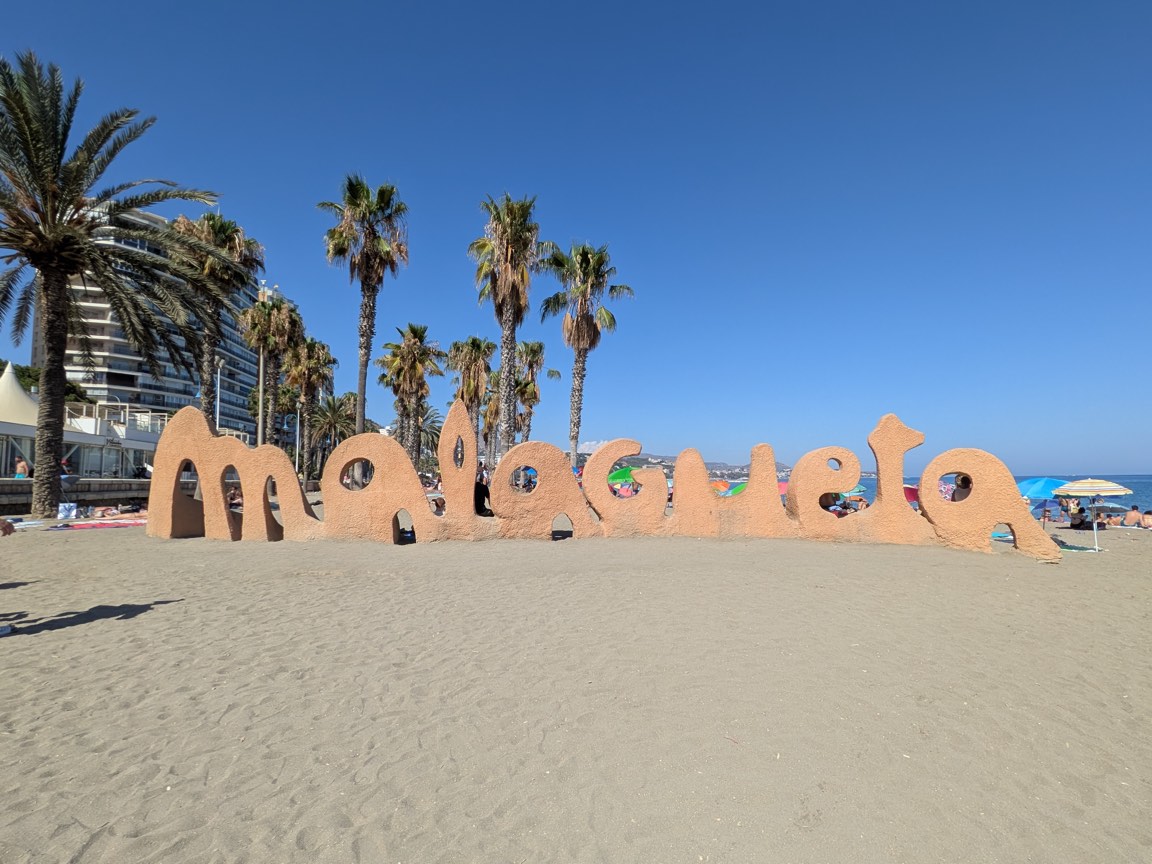
The evening wound down at Malagueta Beach, a proper big-city beach that felt surprisingly close to Vizag's beach back home, crowded, lively, and lined with tall buildings along the promenade. The beach was genuinely accessible, with clear paths and facilities built for visitors with disabilities, something worth calling out. The sand itself is coarse and noticeably dusty, sunbeds available to rent for the day at around twenty euros, and a proper volleyball net kept a beach volleyball game going late into the evening.
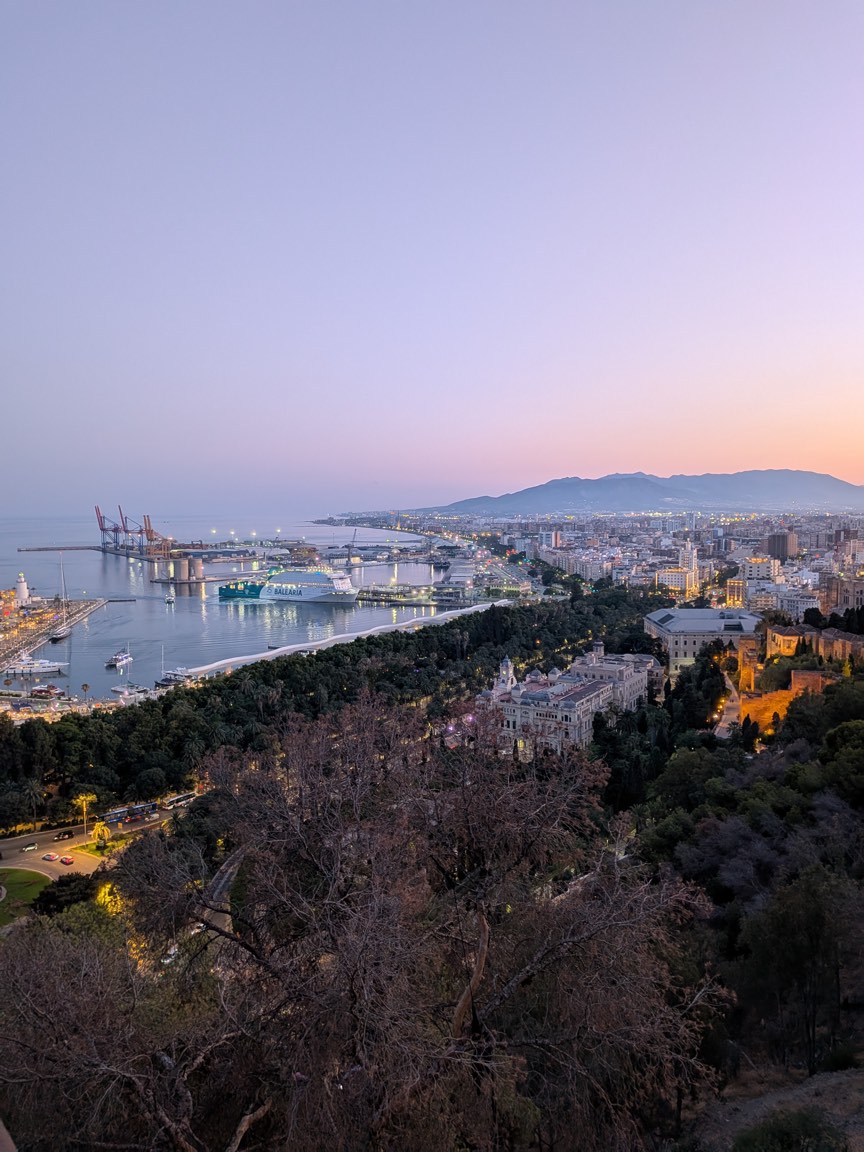
One more climb back up toward the Gibralfaro viewpoint capped off the day with a sunset over the city, the port, city lights and a docked cruise ship all visible from the top as Malaga came alive for the evening.
A hot day, well spent
Malaga left a genuinely good impression, though the heat made itself known: the paella turned out to be spicier than expected, four litres of water over the day still wasn't quite enough, and the weather felt uncannily close to a hot day back in Vizag. Between the climb up and down Gibralfaro and the walking around the old town, it added up to a day with well over thirty thousand steps and legs that felt every one of them by the end.
Practical tips for Malaga
- Airport to city: take the train, it's faster, cheaper, and far less hassle than a taxi.
- Gibralfaro and Alcazaba: buy the combined ticket, it covers both sites for a small fraction of what separate tickets would cost.
- Sunrise viewpoint: go early and be ready for tree cover to block the exact horizon, the wider view still makes it worth the trip.
- Vegetarian food: ask directly, several restaurants, including paella spots, will adapt a dish on request even when it isn't on the menu.
- Plaza de Toros: the audio-guided tour is worth the small extra cost for the history alone.