It rained through nearly the whole visit, and somewhere in that rain came the realisation that Sofia doesn't fit the usual European city template at all: no old town, no river running through it, no beach. And yet it calls itself 6,000 years old. Figuring out why took a walk through Roman ruins, a mosque, two cathedrals, and a surprisingly moving piece of Second World War history.
Roman ruins, a mosque, two cathedrals, and Sofia's wartime history.
A city with none of the usual landmarks
Sofia is Bulgaria's capital, and getting into the city from the airport is straightforward: a shuttle bus connects the terminal without its own metro stop to the one that has it, and from there the metro runs straight into the city centre. What struck me after a couple of hours walking around wasn't any single landmark, it was what's missing. Nearly every European city sits around an old town, a river, or a beach. Sofia has none of the three, and yet it's described as 6,000 years old. That claim needed chasing down.
For context, the actual oldest continuously inhabited city in Europe is Plovdiv, also in Bulgaria and not too far from Sofia, a place worth its own visit another time. Sofia's own history goes back roughly 6,000 years too, to a prehistoric period with little surviving record beyond what archaeologists have pieced together.
Roman ruins, hiding inside a metro station
Fast-forward from prehistory to 29 BC, when Rome took control of the city, then known as Serdica. Those Roman ruins are still here, and the way they resurfaced is genuinely unusual: when the city began modernising in the 1890s and started digging for what would eventually become a metro station, workers ran straight into the remains of Roman Serdica underground. The station was built around and through the ruins rather than elsewhere, so today Serdika metro station has actual Roman ruins, brick layers from later reconstruction alongside original stonework, visible and touchable right inside the station.
Sofia also sits on natural hot springs, a result of tectonic activity beneath the city, and the Romans, who loved a public bath, built exactly that here, using the thermal water. That combination, easy access to naturally heated water, is the actual, unglamorous reason a city grew here in the first place, both in Roman times and thousands of years earlier.
Byzantines, and two churches built almost together
After Rome came the Byzantine period, and Sofia's oldest surviving building dates to this era: a small rotunda church, built in the fourth century and still standing today, making it the oldest structure in the city by a wide margin.
Close to it stands St. Sofia Church, built around the same time and, by some accounts, commissioned by the same Byzantine emperor responsible for Hagia Sophia in Constantinople. St. Sofia Church was built directly on top of earlier Roman churches, three of them stacked beneath the current building according to the archaeological layers visible below, and it's this church, not any statue or later structure, that the city's own name is drawn from. A ticket gets you down into those underground layers, with an extra charge if you're filming, worth it for the reminder that the city's entire foundation is quite literally layered on itself, generation over generation.
A rainy-day lunch at a vegetarian buffet
Sofia turned out to be easier than expected for vegetarian food. A buffet-style restaurant near the ruins served rice, dal, a paneer curry, a root vegetable curry, cutlets, buttermilk and juice, all self-served and paid for by weight, a genuinely satisfying spread on a wet, grey day.
Banya Bashi, the mosque built over old baths
By the 1500s and 1600s, the Ottomans controlled this region, and the one mosque still standing from that era is Banya Bashi Mosque, whose name translates roughly to "bathroom mosque," because it was built directly over the same Roman-era baths mentioned earlier. It remains the only mosque in Sofia today, which is notable given that Bulgaria as a whole has the highest proportion of old, Ottoman-era-converted Muslims in Europe, around 12% of the population. Sofia itself, though, is home to barely 1% Muslim population, hence a single mosque in a capital city.
A church that survived an assassination attempt
Moving forward again, into the 1500s and 1600s of Bulgarian monarchy under a ruler named Boris, a number of churches from that period still stand across the city, including St. Nedelya Orthodox Church. Under that same monarchy, communist opponents attempted to assassinate King Boris with a bomb inside this very church. He survived purely because he arrived late that day, a detail that felt oddly familiar for reasons any Indian visitor running on IST would understand. The church itself was destroyed in the blast and fully reconstructed by 1925.
Alexander Nevsky Cathedral, gold domes and Russian soldiers
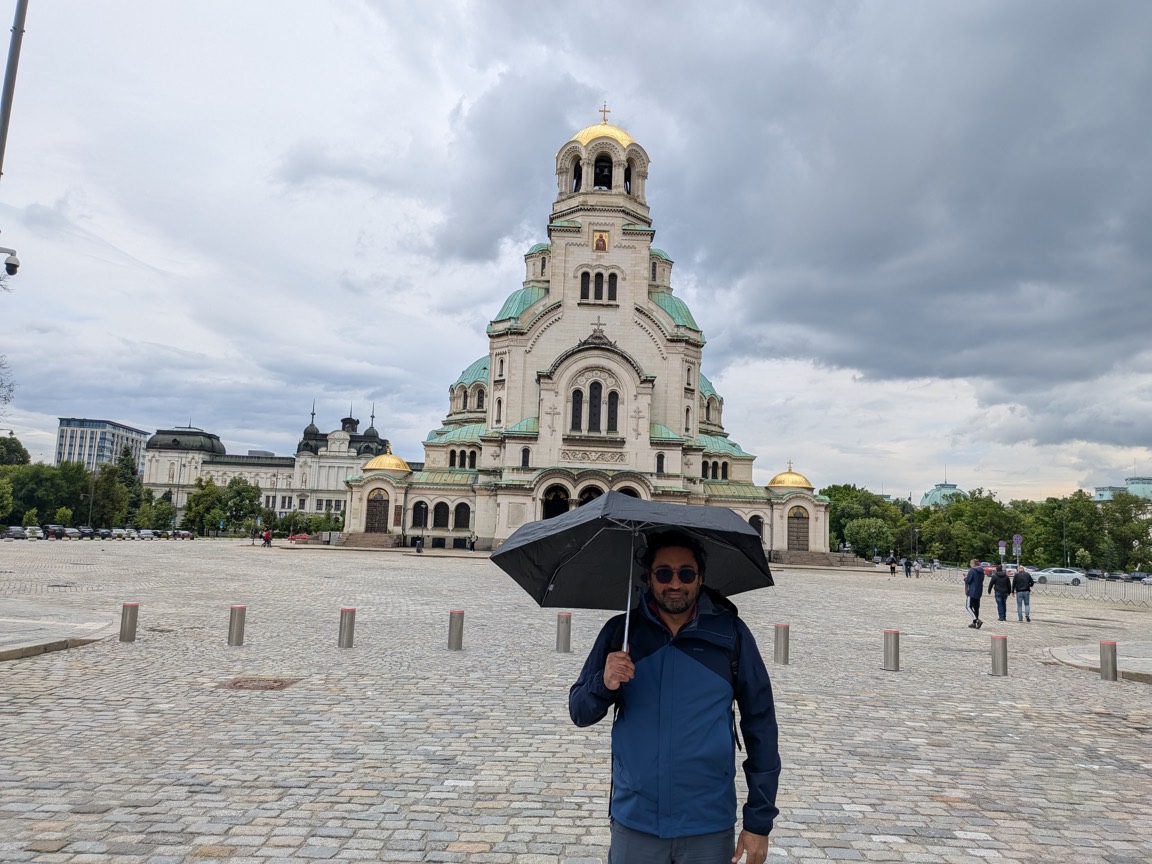
The largest Orthodox cathedral in the city, Alexander Nevsky Cathedral, was built in the early 1900s and remains genuinely striking, its domes covered in real gold. It was built specifically to honour Russian soldiers who had helped Bulgaria break free of Ottoman rule. Photography isn't allowed inside, but the scale alone, an unbroken rise straight up to the central dome with nothing interrupting the view, makes it worth the visit even without a single photo to show for it. Entry is free.
A public bathhouse that became a museum
The Regional History Museum of Sofia occupies a building constructed in 1913, originally not as a museum at all but as a public bathhouse, back when home bathrooms weren't common and people came here once a week to bathe using the same natural hot springs mentioned earlier. Once home plumbing became standard, the building was repurposed into a museum. Outside, the hot spring taps still run at a constant 37 degrees, and locals regularly fill bottles here, letting the water cool before drinking it, considered perfectly safe and something worth trying while in the city.
Communist-era Sofia, in a few buildings and one super-strict grocery rule
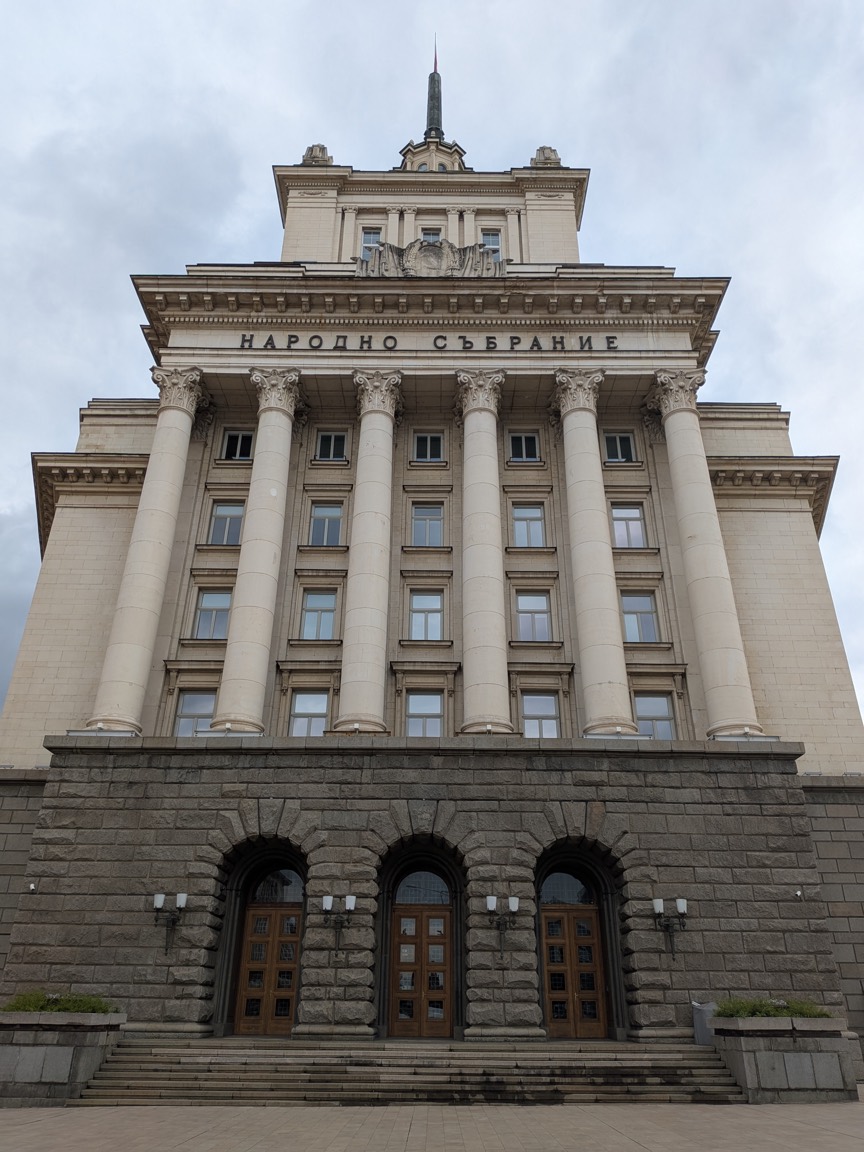
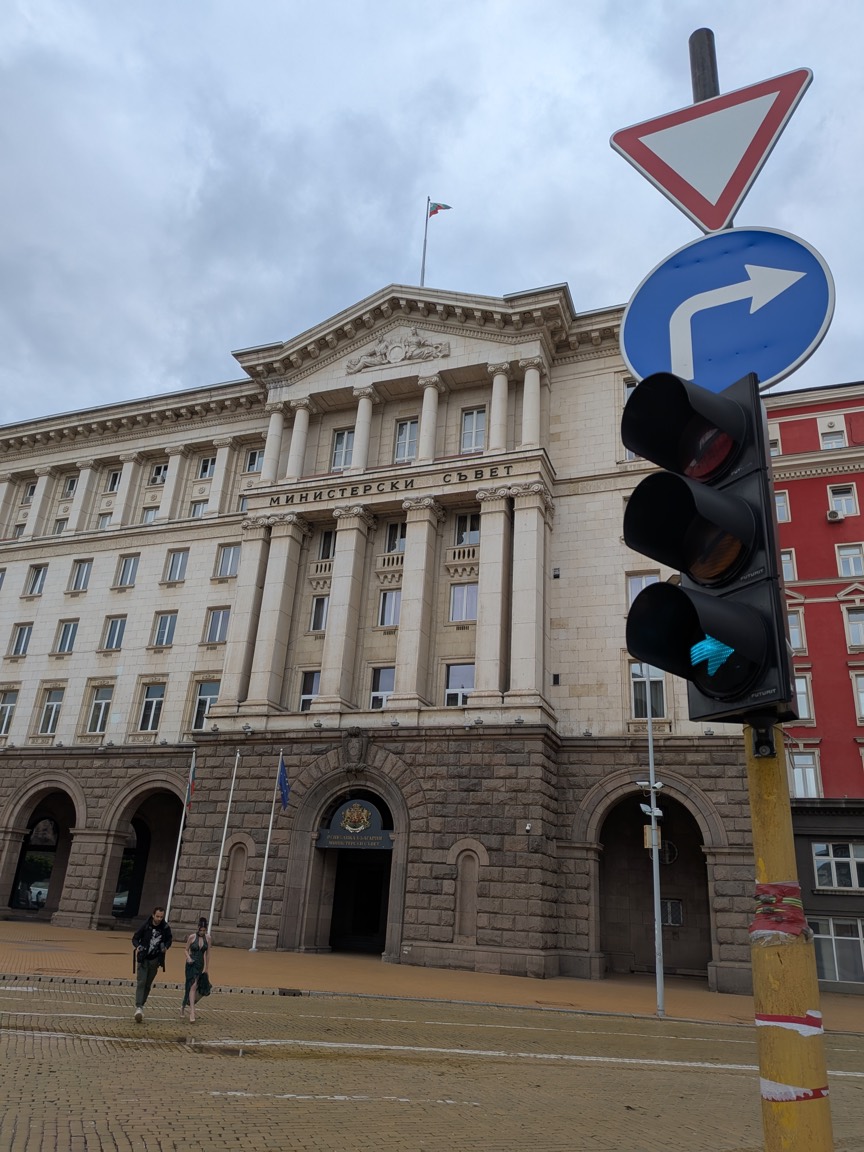
After the monarchy came a communist government, the same broad pattern seen across the region: large, imposing buildings like the National Assembly, expanded and grandly refurbished after wartime damage. Compared to the far harsher communist regime covered in an earlier Albania video from this trip, Bulgaria's communist period was less extreme, but the same basic restrictions applied: nothing moved freely in or out of the country, and anything from a car to a television required a government-approved application before you could buy one, from the government itself.
One particularly telling detail: bananas don't grow in Bulgaria, so under communist rule they were sold, government-run, only one day a week, alongside other imported goods rationed the same way. Notably, unlike in many communist states where religious buildings were destroyed outright, Bulgaria's communist government mostly avoided that for fear of backlash, and instead simply built large structures around and in front of churches, hiding them from view rather than tearing them down.
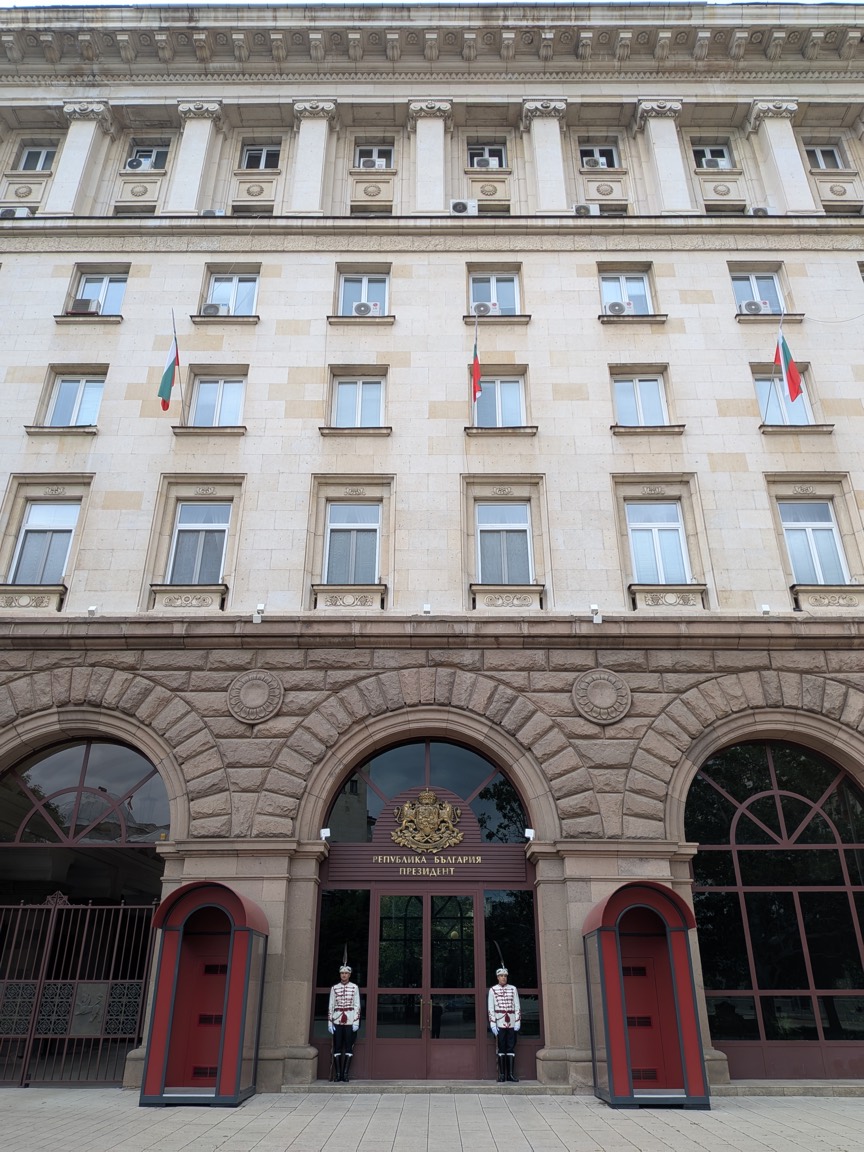
A statue that replaced Lenin, and a debate about what it represents
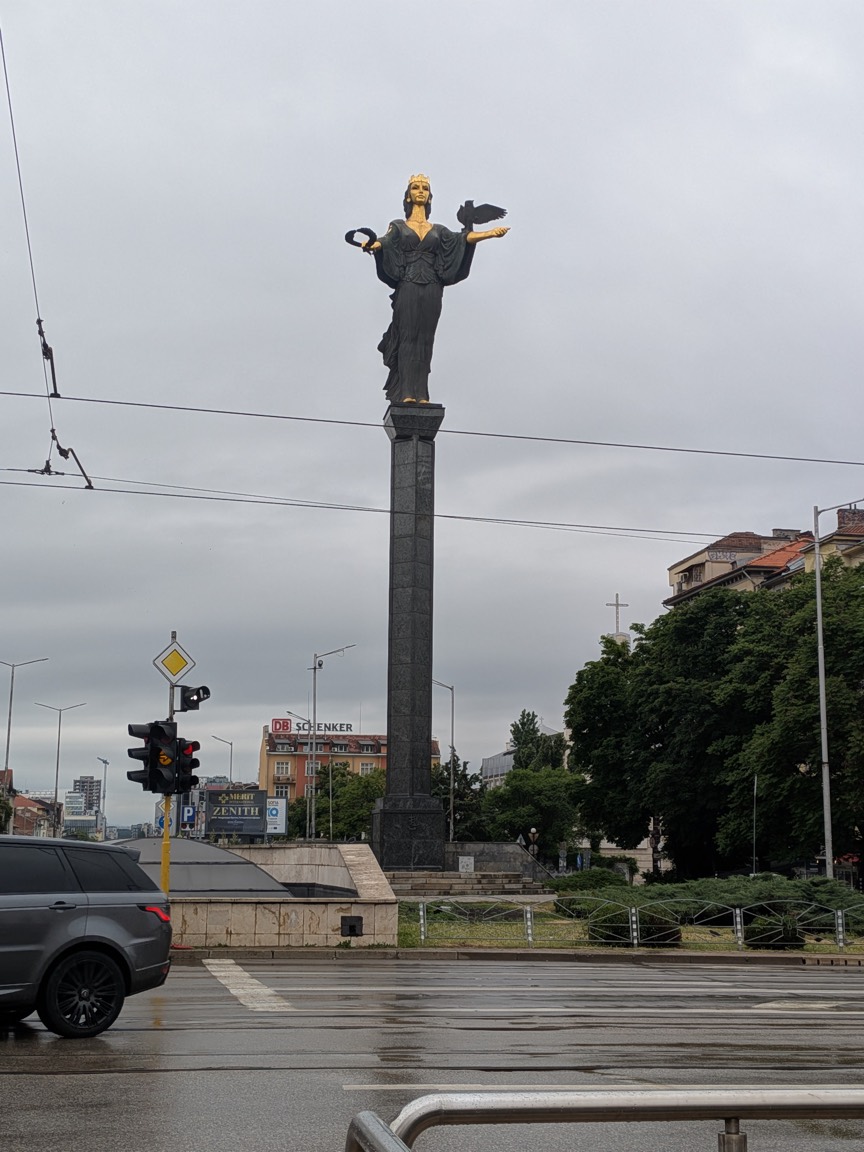
A large statue known as the Sofia statue now stands where a statue of Lenin once stood, replaced around 2001. Some assume the city is named after this statue, but that isn't accurate, the name traces back to St. Sofia Church, covered earlier. There's even a mild ongoing debate about whether the statue accurately represents Saint Sofia at all, since her clothing and iconography lean closer to pagan imagery than Christian tradition, a detail that apparently bothered quite a few people when it was first installed.
Vitosha Boulevard, and an accidental design detail
Vitosha Boulevard is Sofia's main pedestrian street, roughly two kilometres of shops and restaurants with cars kept to the crossing points only, named after Vitosha Mountain visible in the distance at one end. Walking it, I noticed the street's midsection curves in a shape that resembles the letter V, whether intentional, a nod to "Vitosha," or pure coincidence, nobody seems entirely sure, but it's a fun detail either way.
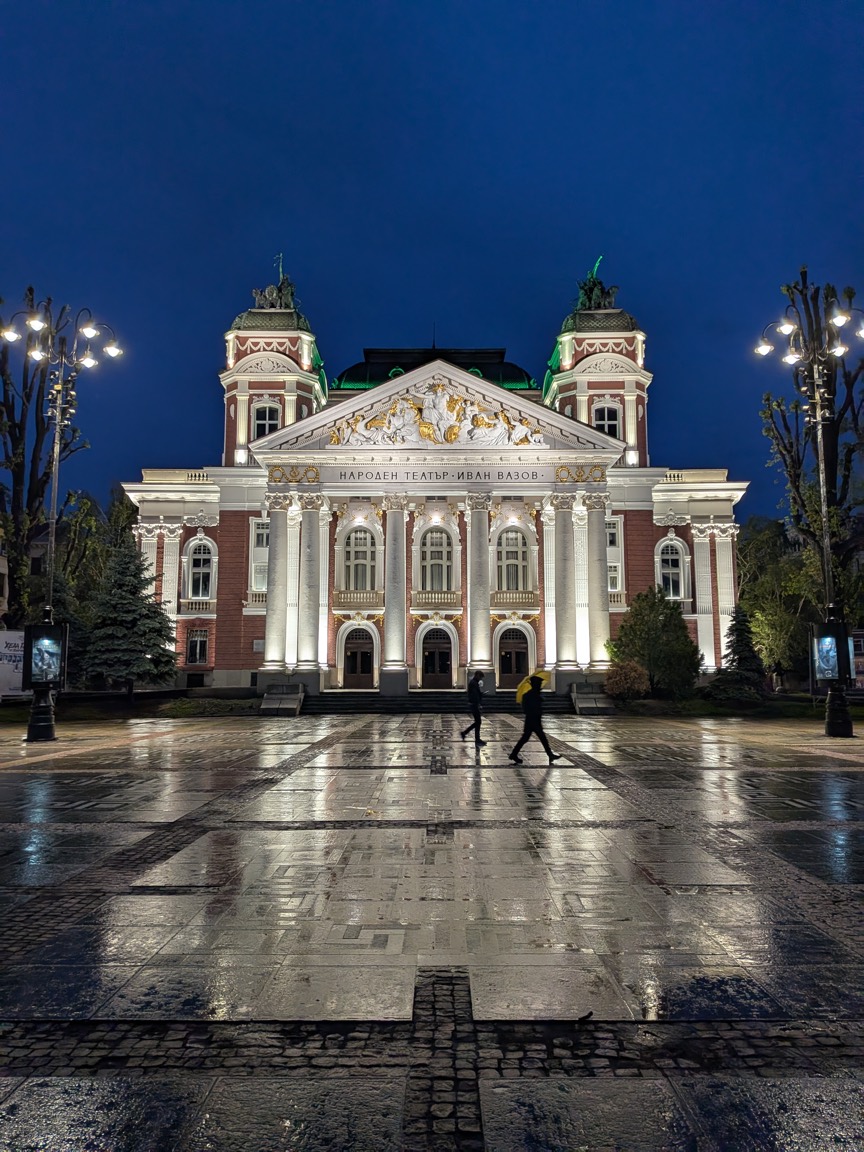
How Bulgaria saved its Jewish population
Near the pedestrian street stands Sofia's Great Synagogue, the second largest in Europe after Budapest's, itself covered in an earlier video from this trip. Before the Second World War, roughly 50,000 Jews lived in Bulgaria; today there are only around 5,000. The reason isn't what that drop usually implies elsewhere in Europe.
As Hitler's forces expanded through the region during the war, reaching further south required passing through Bulgaria, then still a monarchy under King Boris. Hitler pressured Boris to hand over Bulgaria's roughly 50,000 Jews for deportation. Boris resisted outright refusal but used deliberate delaying tactics for as long as he could. When a train was eventually prepared for deportation, the head of the church physically stood in front of it, blocking it from leaving. In the end, not a single Bulgarian Jew was deported to a concentration camp, a genuinely rare outcome for the region during that period. The population's later decline to about 5,000 came afterward and voluntarily, as many chose to emigrate once the state of Israel was established.
So why no old town?
By the end of two rainy days, the original question had an answer: Sofia's old town does exist, it's just entirely underground, buried in layers beneath the modern city, Roman Serdica under a metro station, older churches under St. Sofia Church, centuries stacked directly on top of one another rather than preserved side by side the way most European old towns are laid out. No river, no beach, and technically no visible old town, and still a city that earned its reputation the hard way, through what's buried underneath it rather than what's on the surface.
Practical tips for Sofia
- Airport to city: take the shuttle bus to the metro-connected terminal, then the metro, cheap and direct.
- Serdika metro station: worth a slow look even if you're not catching a train, the Roman ruins are built right into the station.
- St. Sofia Church: pay the small extra fee to go underground and see the layered ruins beneath it.
- Alexander Nevsky Cathedral: free entry, no photography inside, go anyway.
- Vegetarian food: easier to find here than expected, buffet-style restaurants are a reliable bet.