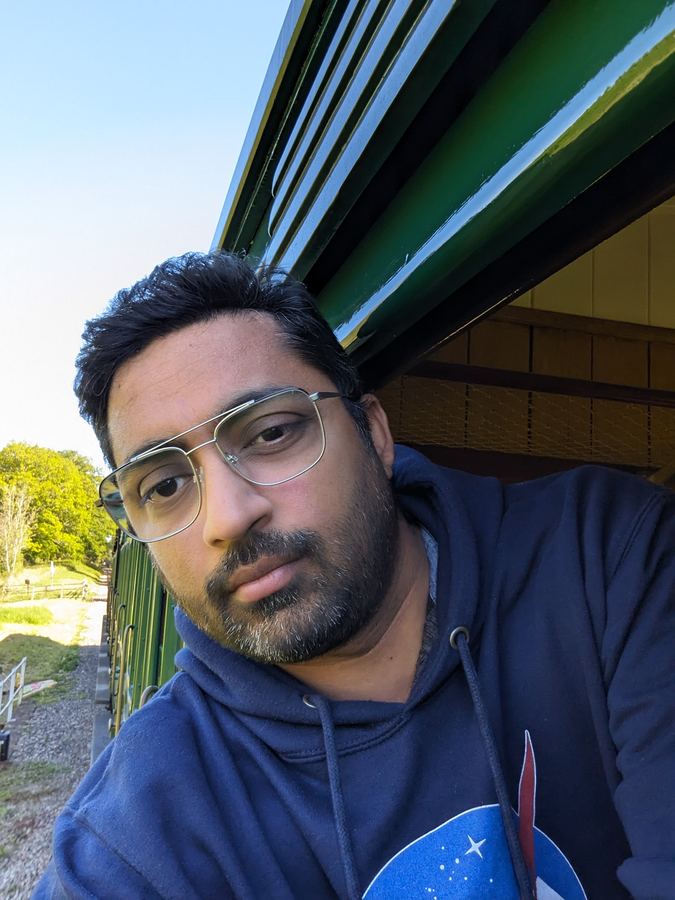
Most people have heard the name Albania and can name almost nothing about it. Tirana turned out to have far more going on than that reputation suggests, a national hero's square, a dictator's paranoia written into the landscape itself, and, by the end, a genuine attempt to settle a specific question: was Mother Teresa really Albanian?
Skanderbeg Square, the Pyramid of Tirana, Dajti Mountain, and the search for Mother Teresa's roots.
Skanderbeg Square and the man behind the name
Tirana's main square is named after Skanderbeg, and the story behind that name says a lot about Albania's history in a single figure. Rome first ruled this region, followed by five hundred years of Ottoman rule, during which the Ottomans routinely took local boys and trained them for their own military. One of those boys, originally a Christian named George Kastrioti, was given the Muslim name Iskander, roughly "Alexander," as a mark of respect once trained, which locals shortened to Skanderbeg. After his military training, Skanderbeg turned that training against the Ottomans, leading a revolt that came close to full independence before he died in battle. No one else picked up the cause after him, and the revolt collapsed, but Albania still reveres him as its national hero, and this entire square, along with his statue, carries his name.
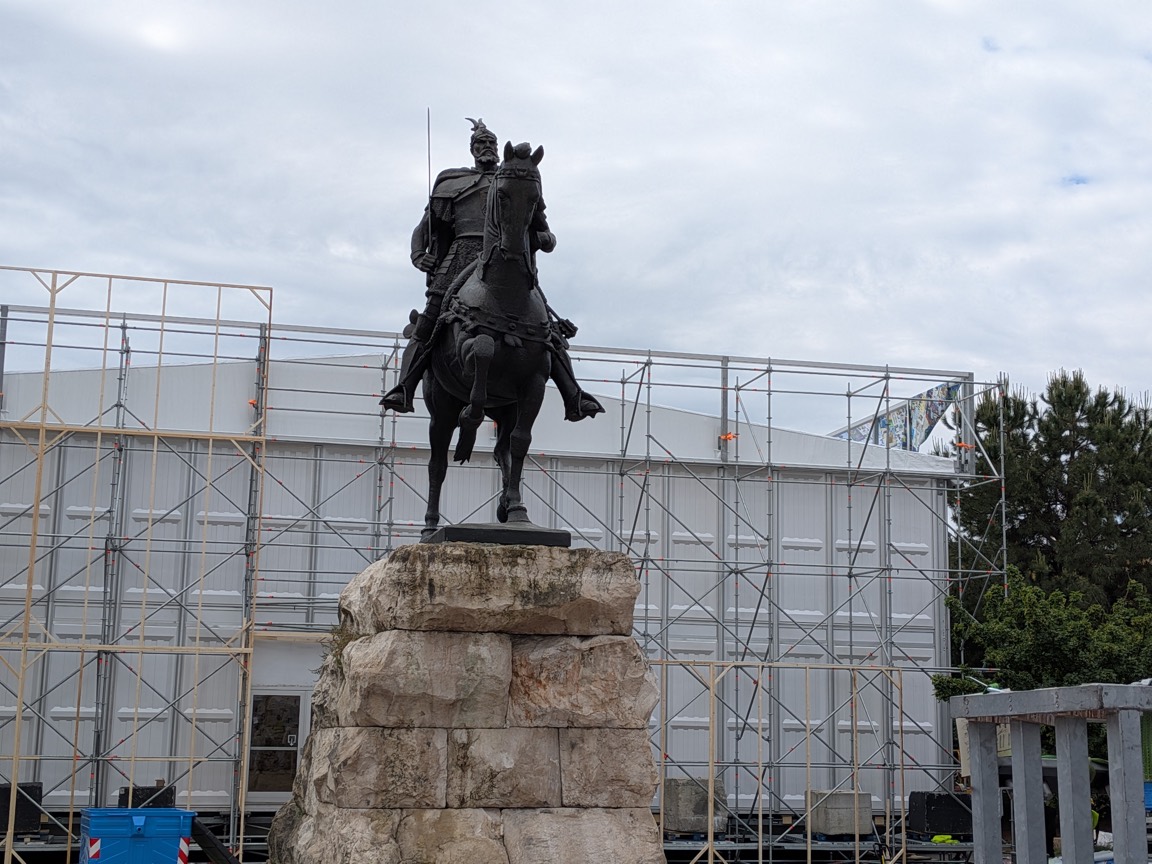
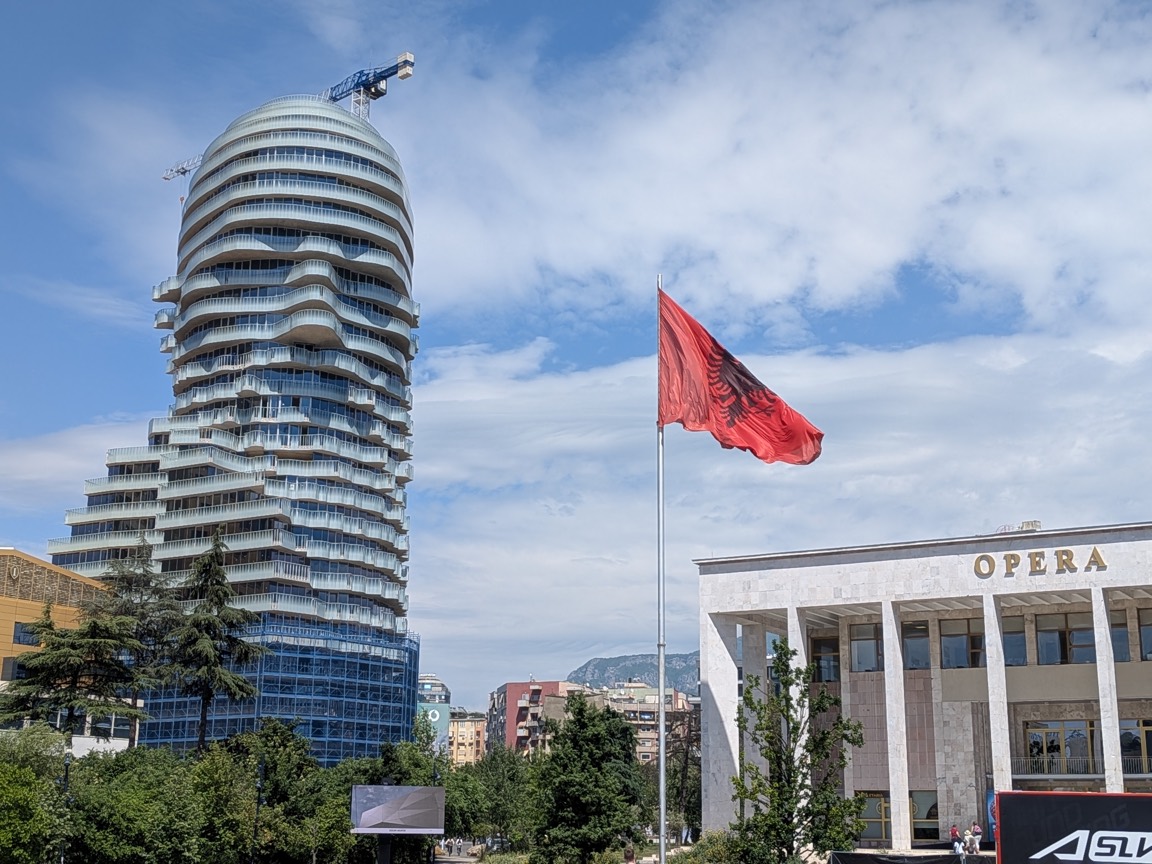
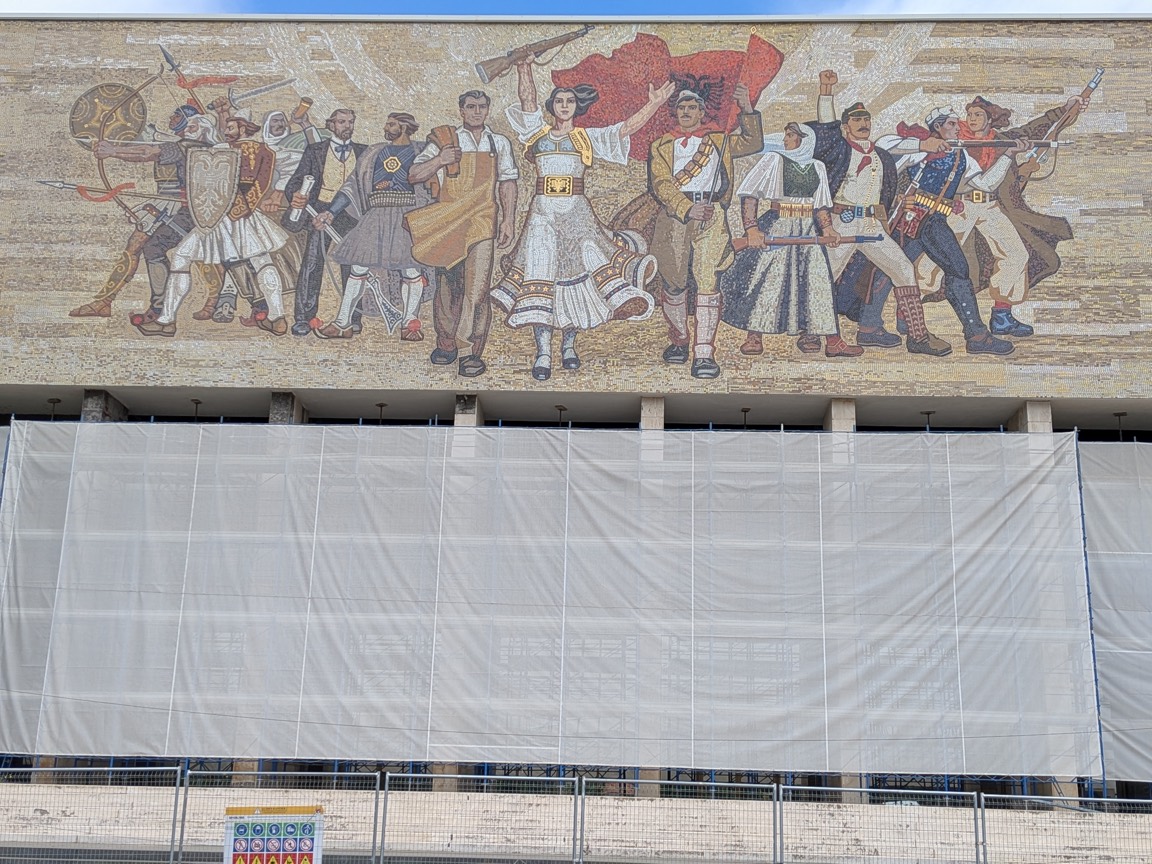
Around the square: an opera house that regularly hosts performances, and, at the time of this visit, a stage being built for a city marathon due a few days later, the same kind of event covered in an earlier stop on this trip through Krakow. The National Museum nearby was closed for refurbishment, expected to reopen only in 2026, its exterior mural tracing Albania's history from Roman rule through the Ottomans to the communist era. Even the paving tiles around the square tell a small story of their own: no two tiles match, because each was reportedly sourced from a different village across the country.
A bank, a dictator, and decades sealed off from the world
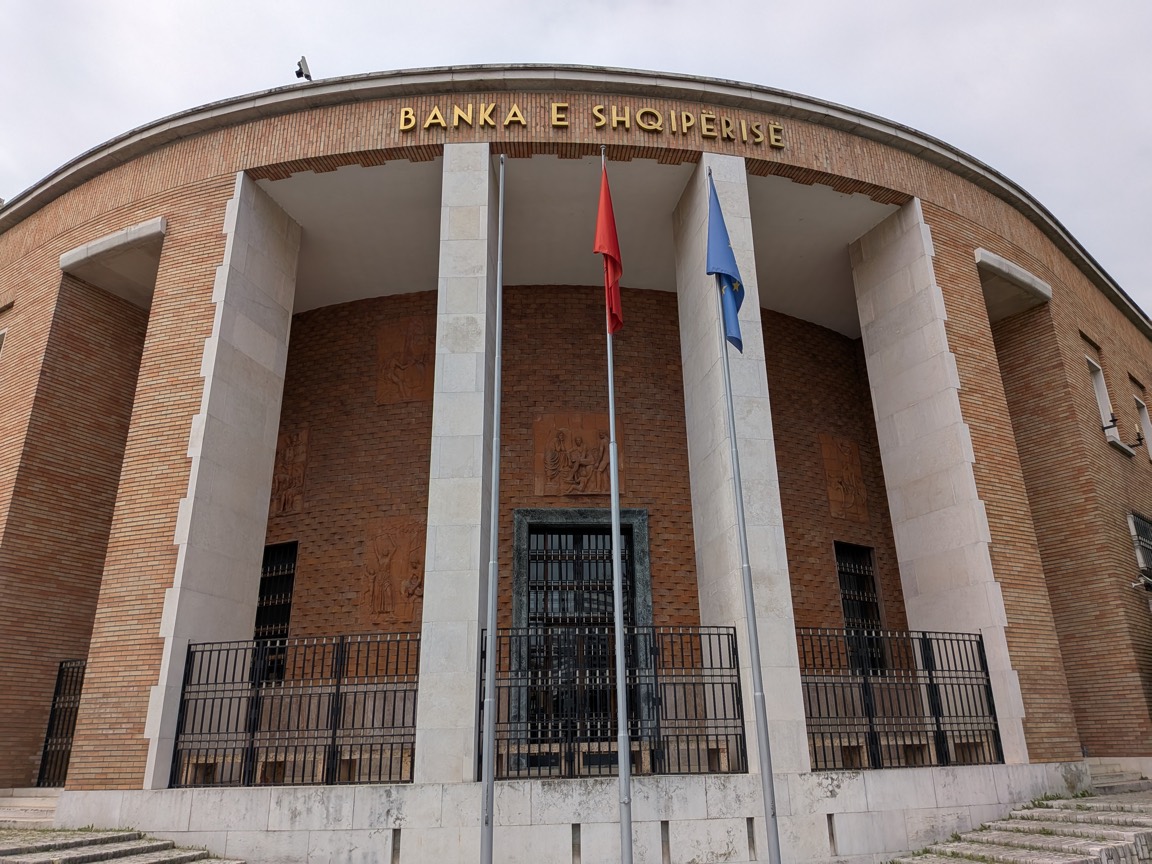
A brown building nearby houses the Bank of Albania, called locally the Bank of Skipëria, Albania's own name for itself in its own language. Before the 1990s, ordinary Albanians had no real concept of banking, private property, or even car ownership: under communist rule led by dictator Enver Hoxha, the state owned essentially everything. Cars belonged only to government officials, and because ordinary people couldn't drive until the 1990s, driving habits here still carry a distinctly free-for-all character, not entirely unlike Indian traffic. The country stayed almost completely sealed off, similar in spirit to North Korea, until the communist system collapsed around 1990, shortly after which this bank building went up.
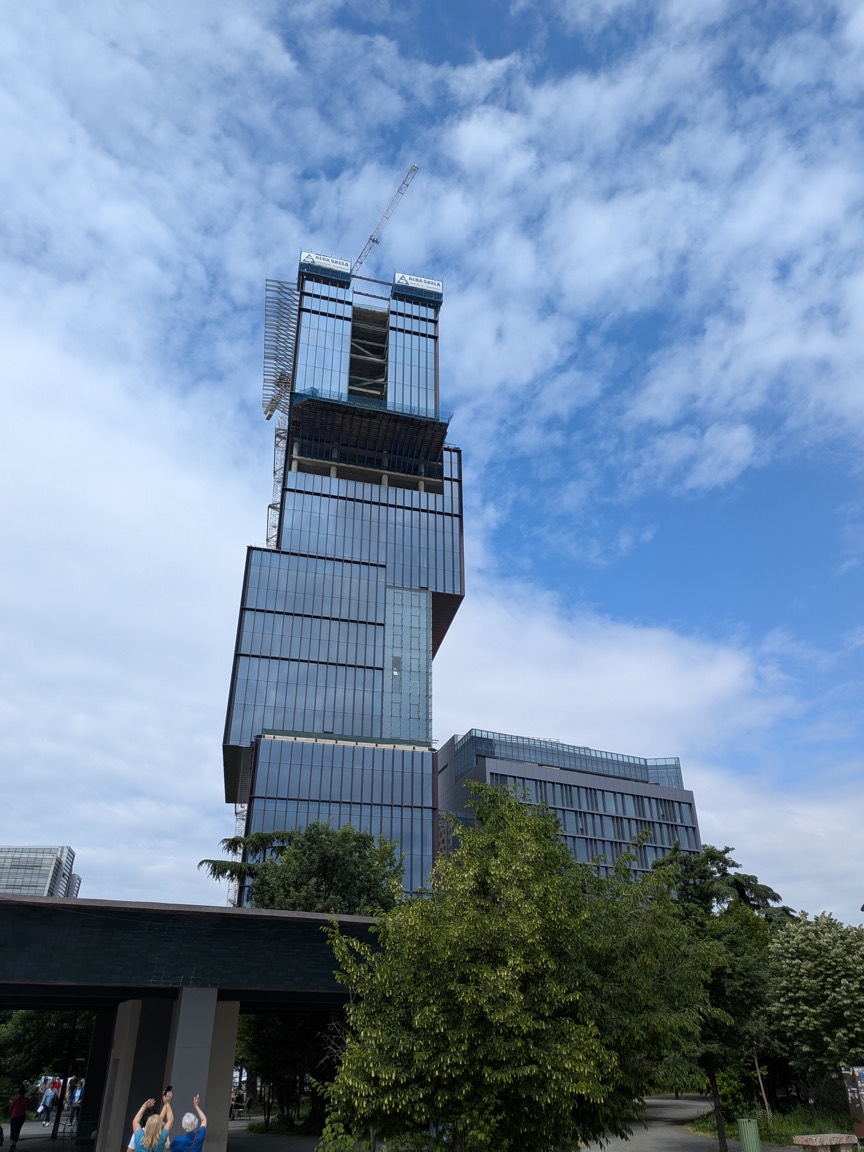
Nearby, a building under construction is nicknamed the "Eye of Tirana" for two large, eye-shaped windows near its top, expected to take several years to finish despite promises of a two-year completion.
Et'hem Bey Mosque, the one that survived
Albania is, somewhat surprisingly for many visitors, a Muslim-majority country, a legacy of five hundred years under Ottoman rule during which large numbers of the population converted. That changed sharply under Hoxha's communist government, which banned religion outright: simply mentioning it could mean imprisonment or execution. An entire generation grew up functionally atheist as a result. Today the country is roughly 60% nominally Muslim and 20% nominally Christian, but only about 10% of the population actively practises any religion at all, the rest identifying with a faith mostly in name, a direct legacy of those decades.
During Hoxha's rule, nearly every mosque and church in the country was destroyed. Et'hem Bey Mosque survived only because it was designated a national monument for its artwork and architecture rather than left standing as a religious site. Since the fall of communism, many new mosques have been built across the country.
Up Dajti Mountain by cable car
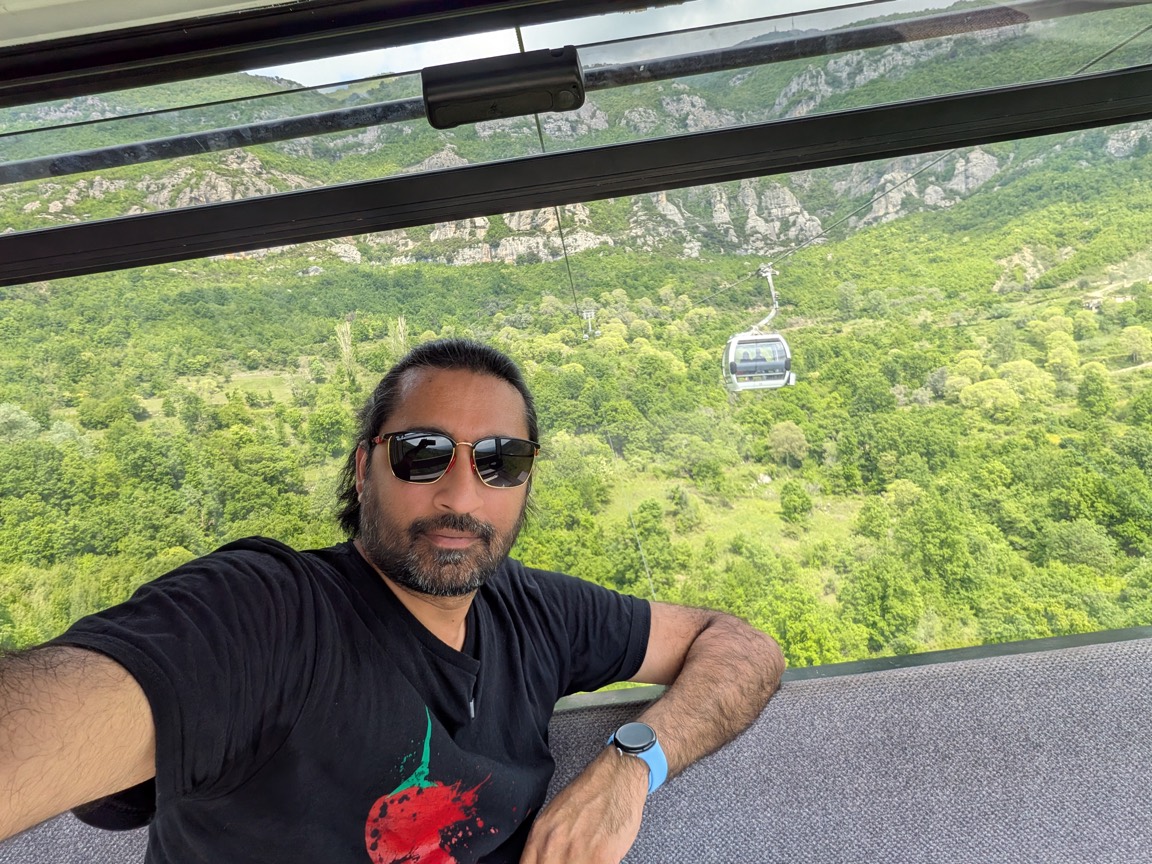
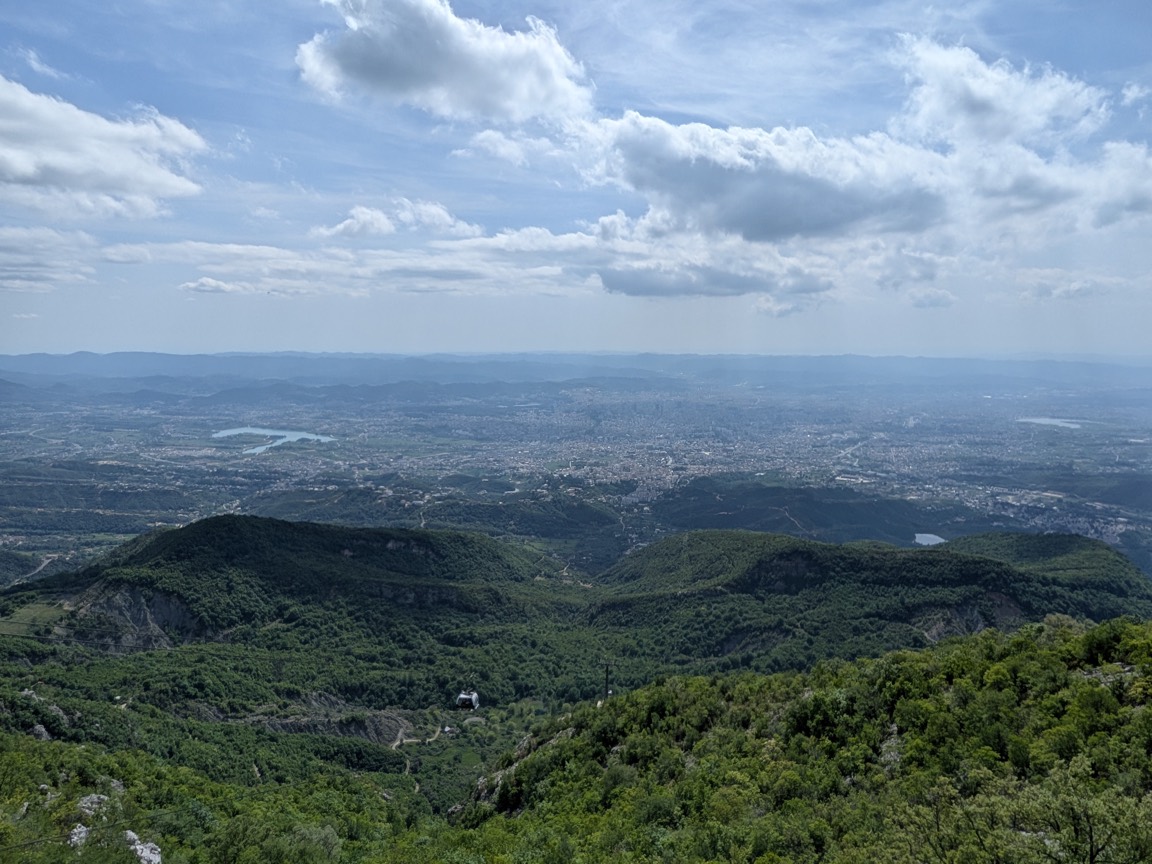
From the square, the hills overlooking Tirana were too tempting to skip. A cable car called the Dajti Express runs up to Dajti National Park, and the ride up, warm inside the cabin despite pleasant weather outside, delivers steadily better views of the city the higher it climbs, revealing a much larger Tirana than expected from ground level, ringed by hills with three small lakes visible below. The weather during this stretch of the trip was genuinely excellent, mild enough that jackets weren't needed even at night.
At the top: an adventure park, mini golf, a small hotel, horse riding trails, a viewpoint nicknamed the "Tirana Balcony" for its sweeping view over the whole city, a section of lock-covered railings shaped like a heart, and a small café for a coffee break before the descent, notably steeper coming back down.
Tirana Castle, the pyramid, and a very specific kind of paranoia
Back in the city, Tirana Castle turned out to be little more than a single remaining wall, with an ordinary street running through where the rest of the fortification used to stand. Nearby, the Downtown One building has a facade of protruding windows deliberately arranged in the shape of Albania's own map outline, a small architectural signature locals are proud of.
Then there's the Pyramid of Tirana: not ancient at all, built shortly after Hoxha's death as a monument to him. Once communism collapsed, the government deliberately abandoned it rather than maintain anything commemorating a leader widely regarded as brutal. More recently it's been renovated into a proper tourist attraction, its surroundings repainted and rebuilt, with visitors now climbing its sloped sides purely for the view, a detail worth noting for anyone attempting it: the steps up and the steps down aren't equal in count, since the structure is built on a slight incline.
Hoxha's regime is also responsible for one of Albania's strangest legacies: an estimated three to four hundred thousand concrete bunkers built across the entire country, driven by his conviction that an invasion was imminent, despite no credible threat ever materialising. Most were never used, many were never even mapped, and a small number have since been converted into museums, among them Bunk'Art 2 in the city centre, which now traces Albania's twentieth-century history: a monarchy declared after the First World War, occupation during the Second World War, and then the long communist period under Hoxha. His rule is often compared, in relative severity, to a fraction of Hitler's, focused mainly on eliminating political rivals but backed by an extensive surveillance and torture apparatus, including a training program for state spies and, by some counts, dozens of documented torture methods used against dissidents. A milder leader followed after Hoxha's death, and public pressure through the 1990s eventually brought democracy to the country. A smaller bunker inside the city itself sits beside an unrelated but pointed artefact: an actual fragment of the Berlin Wall, gifted by Germany after reunification.
Tirana Grand Park, and the lake seen from above
Tirana Grand Park centres on a large artificial lake, the same one visible from high up on Dajti Mountain earlier in the day. The park draws steady footfall for walking trails, children's play areas, and a small cluster of shops, and reportedly fills up especially on International Yoga Day, alongside its usual morning crowd of walkers and runners. A quiet, well-kept space, and a pleasant contrast after the weight of the bunker museum.
The Mother Teresa investigation
Albania claims Mother Teresa, Bharat Ratna and Nobel Peace Prize recipient Agnes Gonxha Bojaxhiu, as one of its own, and this video set out to actually verify how true that claim is.
Mother Teresa Square in central Tirana turned out to be smaller than expected, just a modest circular space at the centre of a larger roundabout. Until 2014 it held a statue of her and a fountain, removed and modernised ahead of a visit by Pope Francis that year. Another statue of her stands elsewhere in the city, near a cluster of university buildings and a museum.
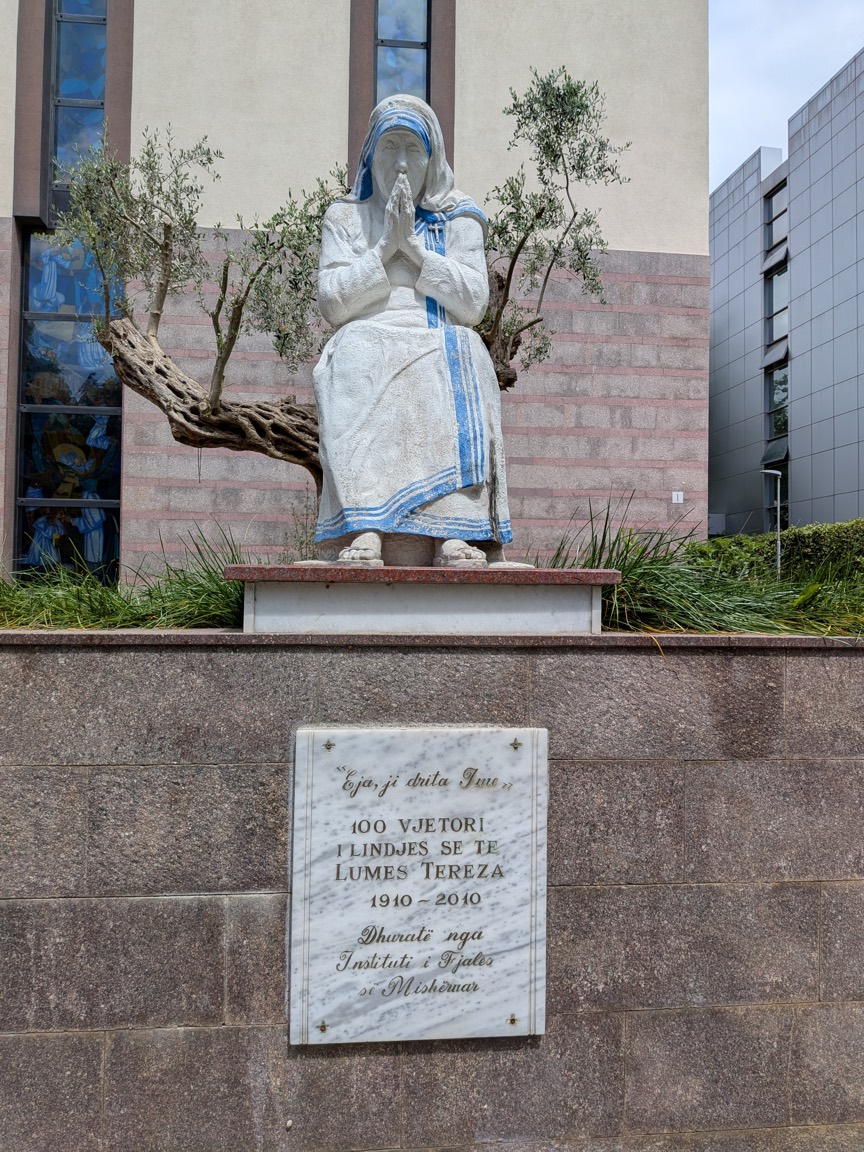
Mother Teresa was actually born in Skopje, at the time part of the Ottoman Empire, later part of Yugoslavia, and today the capital of North Macedonia, not Albania itself. St. Paul's Cathedral in Tirana features her statue outside alongside a statue of Saint Paul in a pose locals jokingly call his "selfie," along with depictions of Jesus Christ and Pope John Paul II inside, the Pope's presence explained by his support for the church's reconstruction after communism fell. But Mother Teresa herself never visited this particular church: it was built between 1992 and 2002, and she passed away in 1997.
She first set foot in Albania only in 1989, visiting two or three more times before her death, and by her own words described herself precisely: "By blood I am Albanian, by citizenship I am Indian, by religion I am a Catholic." The nearby Resurrection of Christ Orthodox Cathedral, the largest church in Tirana, has no connection to her at all, she was Catholic, this is an Orthodox church, and it wasn't even built until after she died.
The real connection traces back to her family rather than to her. Her mother and sister, ethnically Albanian, relocated to Tirana from Skopje after Hoxha's death, once the regime began allowing ethnic Albanians from neighbouring regions to settle in the country, and lived on a specific residential street for seven or eight years until their deaths. Mother Teresa visited Tirana for the first time only after that, following their passing. Finding that exact street took real effort: no clear listing online, and most locals asked had no idea either, until the house itself finally turned up, marked with a scattering of her quotes nearby, alongside a piece of unrelated, more recent graffiti reading "Albania hates you 2025," left unexplained.
So, was she Albanian, Indian, or something else entirely? Ethnically Albanian by family, a citizen of India for essentially her entire adult life, and a citizen of the world by nearly every account of how she spent it. That's a call every viewer can make for themselves.
Practical tips for Tirana
- Dajti Express cable car: go on a clear day, the views over Tirana from the top are the best in the city.
- Bunk'Art 2: a genuinely worthwhile stop for the country's twentieth-century history, budget at least an hour.
- Pyramid of Tirana: free to climb, count your steps up versus down, the incline makes them different.
- Et'hem Bey Mosque: the only Ottoman-era mosque in the city to survive communist rule, worth the short visit.
- Traffic: pedestrians should stay alert, driving habits here are informal by European standards.