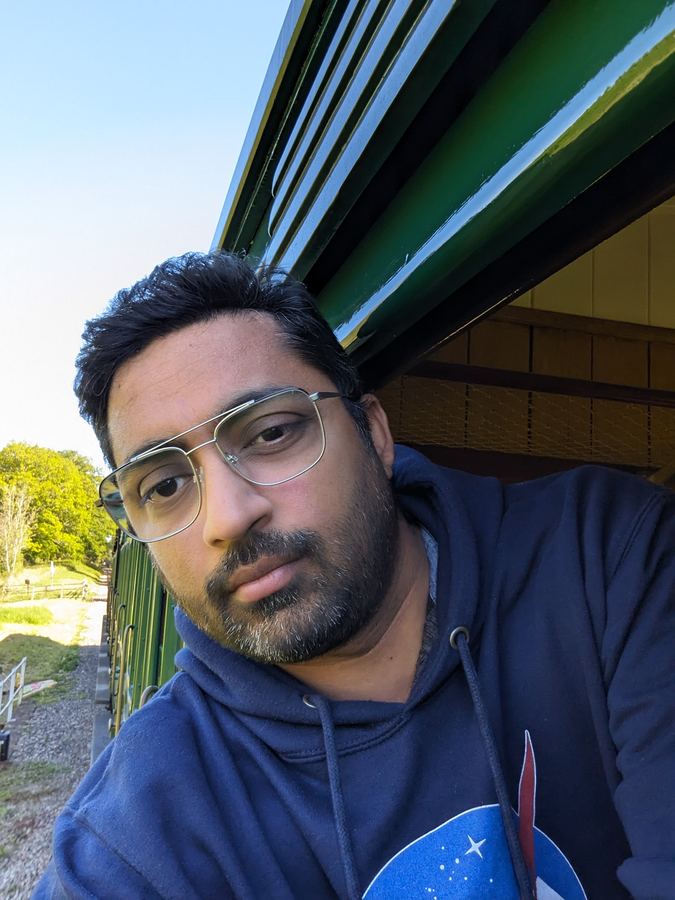
A villain destroys an entire city. The people who survive it rebuild the whole thing from memory, brick by brick, down to the smallest detail. That sounds like the plot of an Indian film, but it's Warsaw's actual history, and it's the backbone of both videos covering this stop, alongside a second story that turned out to be even more personally moving.
Part 1: a city rebuilt from old paintings
Warsaw's Old Town, Castle Square, and the story of the city's total reconstruction.
Getting from the airport into central Warsaw takes about 30 to 45 minutes, either by bus or by train connecting to the metro, with several ticket options depending on how long you're staying: single rides of 20, 30 or 90 minutes, day passes running 24, 48 or 72 hours, and a notably cheap weekend pass covering Friday evening through Monday morning.
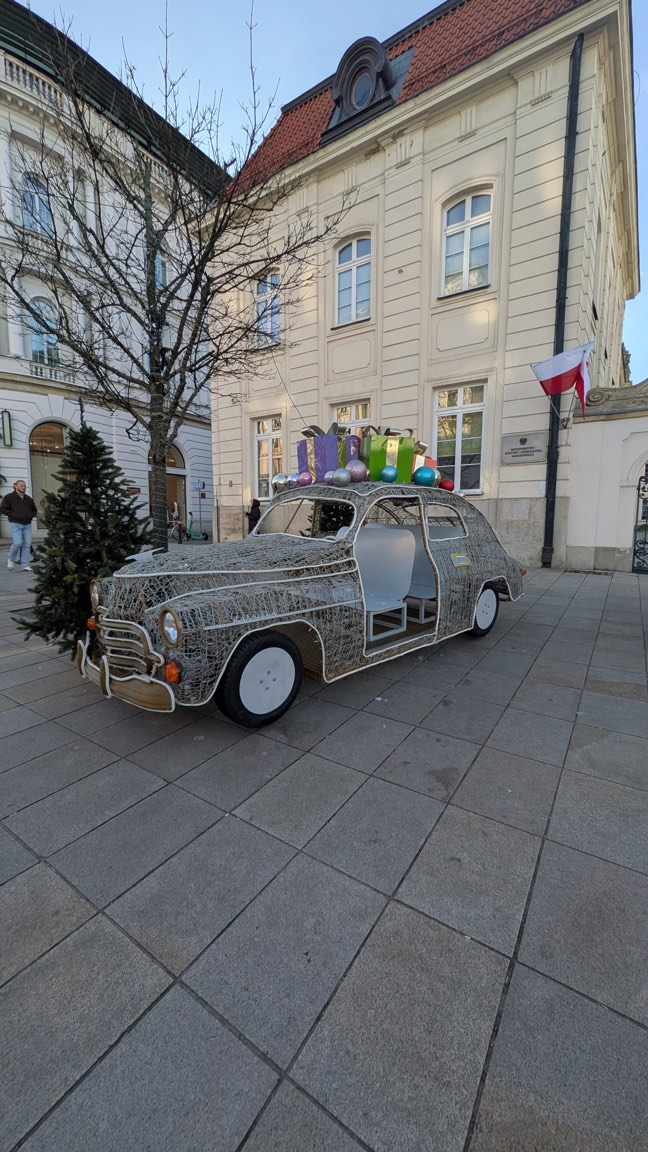
Warsaw's Old Town looks genuinely centuries old, and that's exactly the point of the story behind it: during the Second World War, roughly 85 to 90% of the city was destroyed. Not entirely by bombing either, though bombing played a part, much of it came from Nazi soldiers going door to door and burning buildings deliberately after crushing the Warsaw Uprising, when the city's own resistance fighters rose up against occupying forces. The Soviets had promised support and asked the Poles to hold out just two days; that support never arrived in time, and Hitler's forces retaliated with devastating thoroughness.
What happened next is the genuinely remarkable part: after the war, Warsaw's residents rebuilt the Old Town using old paintings and photographs as reference, recreating it building for building, detail for detail, closely enough that UNESCO later classified the entire reconstructed Old Town as a World Heritage Site, a rare honour for something rebuilt rather than original. Castle Square and the Royal Castle anchor the district, home to Polish kings before the war; a surviving original column, riddled with actual bullet holes, stands preserved right alongside its faithfully rebuilt replacement.
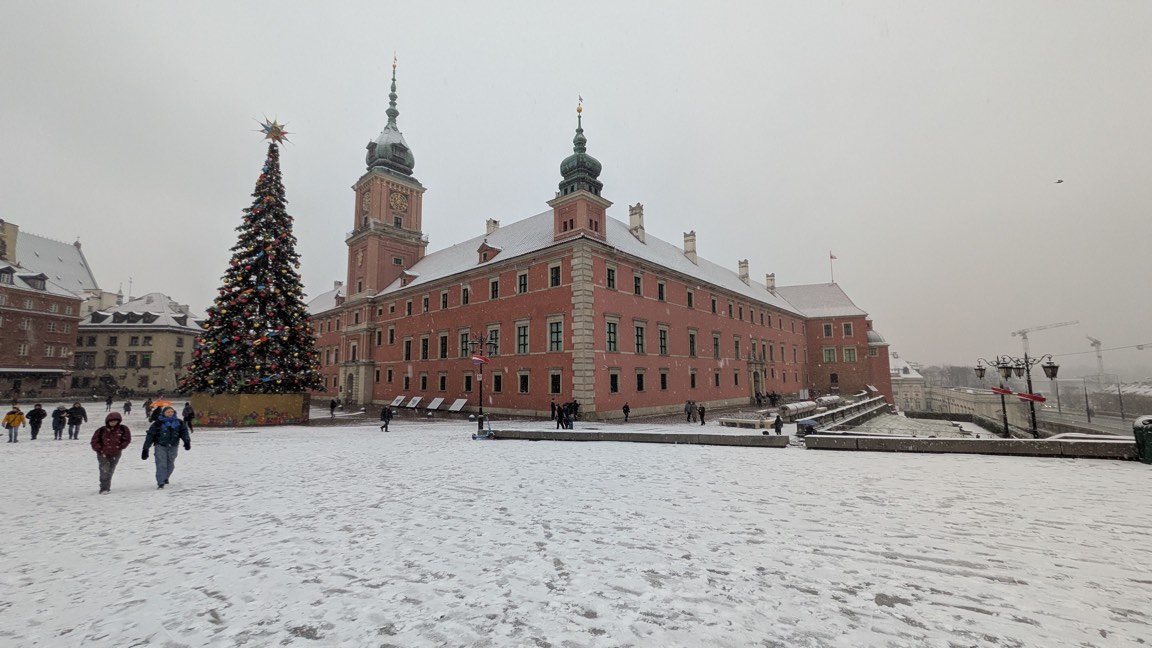
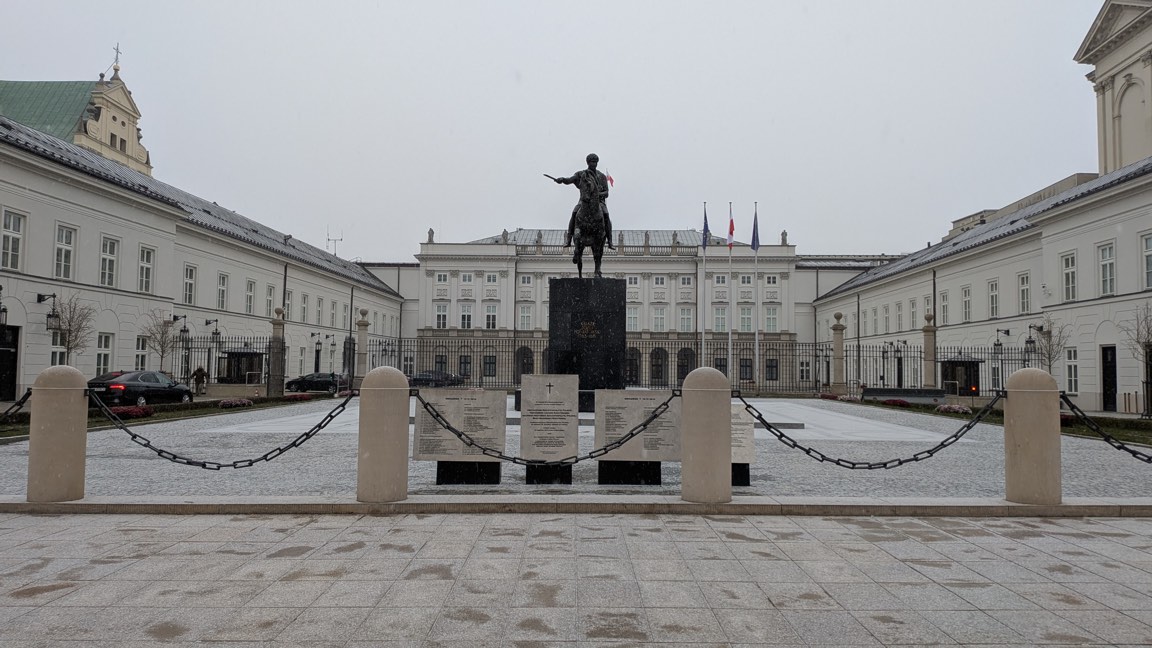
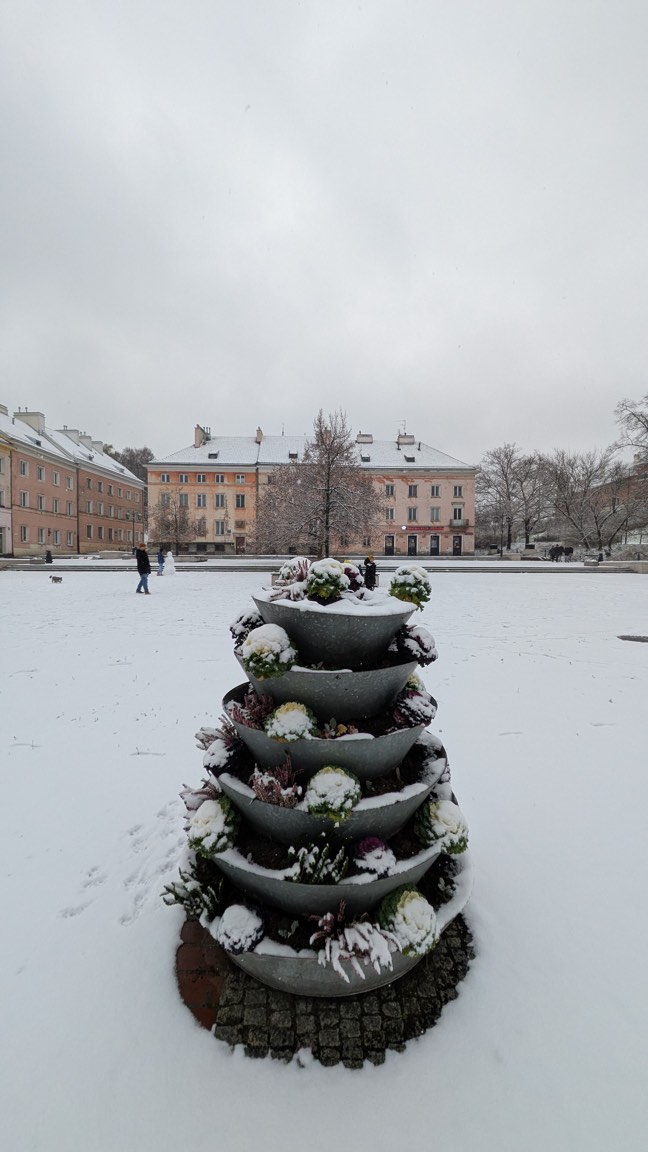
A second morning brought heavy snow, turning the same streets into an entirely different scene from the evening before. The Presidential Palace nearby runs on strikingly light security by comparison to similar buildings elsewhere, just a couple of guards, no barricades, visitors walking right up for photos. Nearby, St. Anne's observation tower was closed for the weather, so breakfast, a mozzarella and guacamole wrap with a latte, took its place before continuing through the snow.
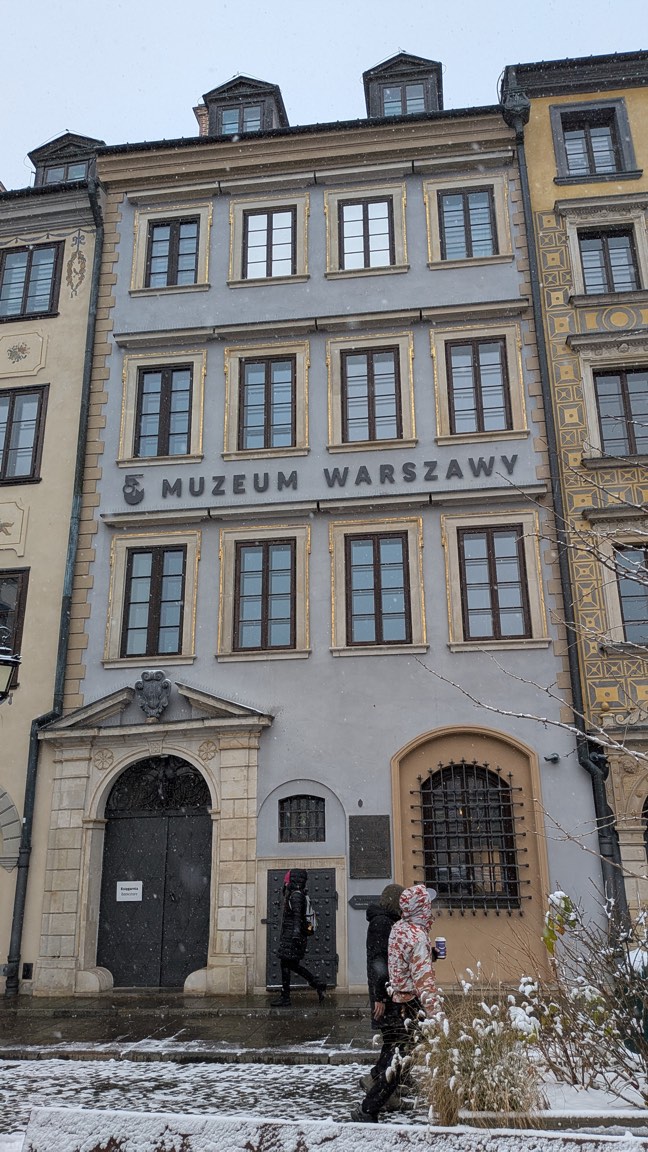
At the Market Square, the city's most recognisable symbol comes into view: the Warsaw Mermaid, whose exact origin story shifts depending on who's telling it, a fisherman falling for a mermaid he caught, or a mermaid falling for the city itself and choosing to stay. The statue in the square is a replica; the original lives in the Museum of Warsaw nearby. The square's tightly packed row houses, pastel-coloured and instantly reminiscent of similar streets covered on earlier stops through Bratislava and Budapest on this trip, include Warsaw's narrowest house, along with a small wishing bell tradition, walk around it holding on and make a wish, for whatever that's worth.
Even the reconstruction itself carries a small act of quiet defiance: Poland's communist government initially refused permission to rebuild some of these buildings, insisting on Soviet-style architecture instead. Workers reportedly built an entire floor overnight without permission, and by morning, with the work already done, officials simply let it stand rather than tear it down. The Museum of Warsaw inside the square covers this entire history in depth, alongside the Warsaw Uprising's full story, worth the visit even with an observation deck closed for poor snow visibility on this particular trip.
Part 2: Chopin's heart, and a Maharaja Poland never forgot
Chopin's heart, Marie Curie's birthplace, the Palace of Culture and Science, and the Maharaja of Nawanagar.
Continuing straight on through the Old Town, now dressed for Christmas, the Church of the Holy Cross holds a genuinely unusual relic: composer Frédéric Chopin's heart, preserved here after his death. Chopin left Poland for Paris to compose freely once Soviet-era restrictions clamped down on the arts, and reportedly harboured a lifelong fear of being buried alive; his dying wish was for his heart to return to his homeland regardless of what became of the rest of him. His sister carried it back to Poland after his death, and it remains sealed in this church's pillar to this day, close to Warsaw's Chopin Airport, named in his honour.
Nearby stands the birthplace of Marie Curie, the two-time Nobel laureate frequently mistaken for French despite being entirely Polish; she left for Paris only because Russian-controlled Poland at the time denied women a proper education. She discovered radium and polonium, the latter named directly after her homeland, and eventually died from prolonged, poorly understood exposure to radioactive material, a genuine tragedy from an era when the dangers weren't yet known: radioactive tonics were briefly sold as health drinks, with recorded cases of severe radiation poisoning among people who drank them regularly. Curie's contribution to Poland, in this telling, deserves at least as much recognition as Chopin gets here, if not more.
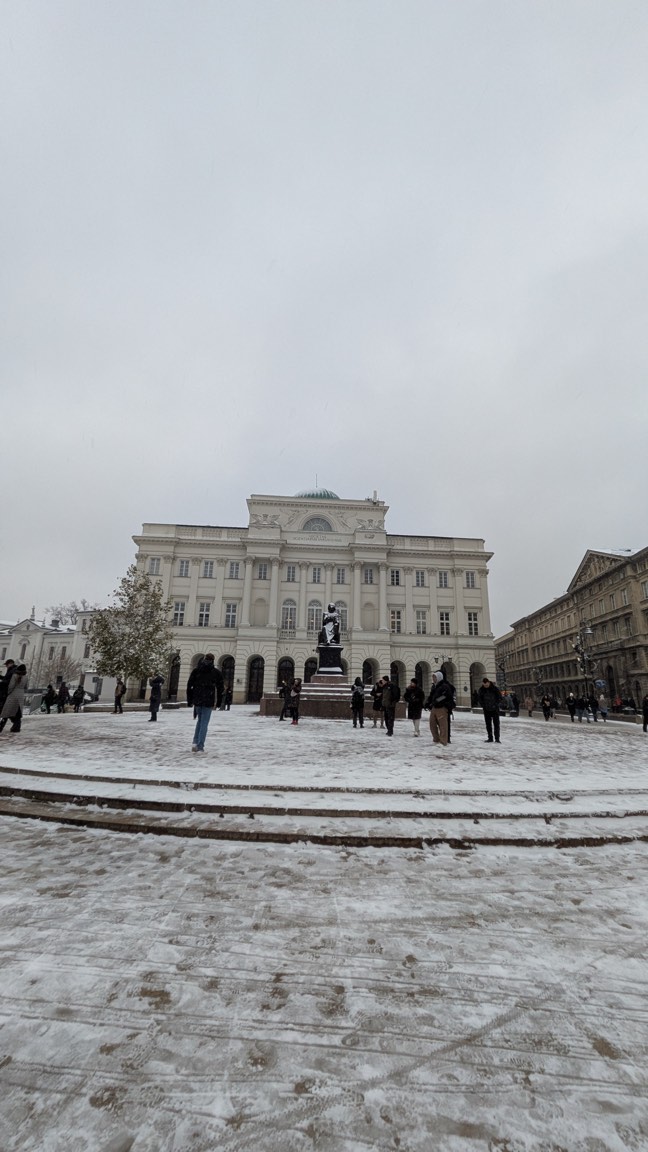
A statue of Copernicus stands nearby too, honouring the astronomer who first proved to the Western world that the earth orbits the sun, a fact recorded far earlier in ancient Indian texts, worth a quick mention in passing. Warsaw University's library building, an eye-catching green structure with a rooftop garden closed for winter, reportedly offers free education to Polish citizens, part of why the surrounding streets stay full of students year-round.
A Maharaja most of India has forgotten
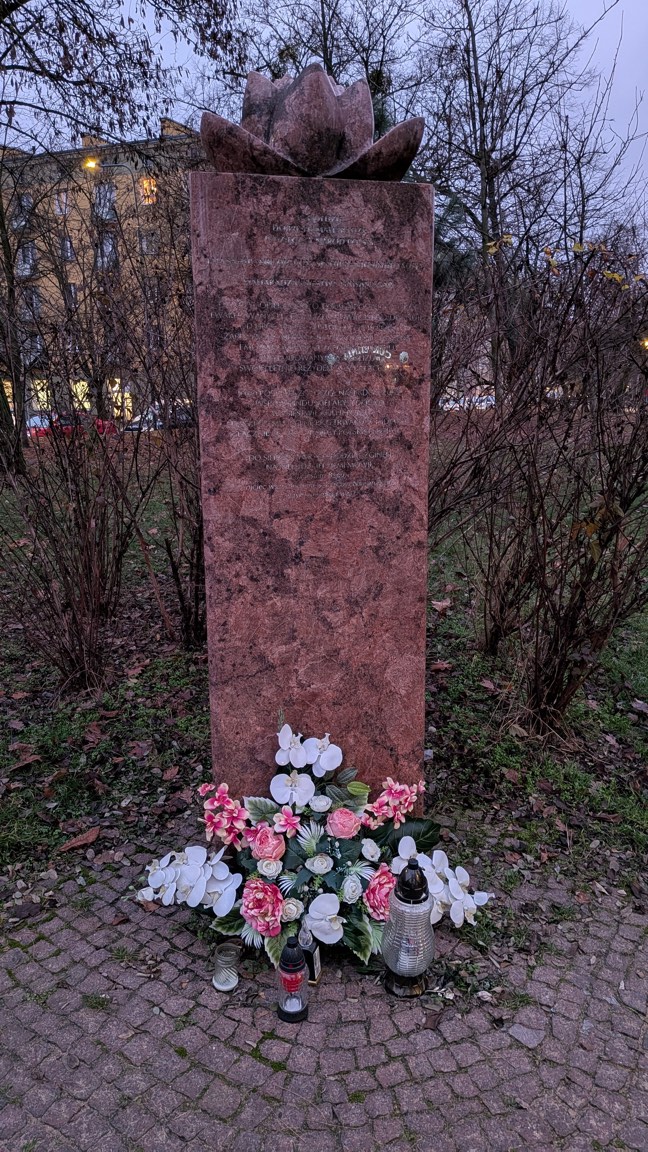
The most affecting part of this whole stop, though, centres on a quiet, snow-covered square honouring a name few Indians would recognise today: Maharaja Digvijaysinhji Ranjitsinhji Jadeja of Nawanagar, whose family name lives on more famously through the Ranji Trophy, named for his predecessor.
During the Second World War, thousands of Polish women and children were left stranded, deported first under a wartime agreement, then unable to find any country willing to take them in as the world split along Allied and Axis lines. Some ended up scattered across Iran and Mexico. The Maharaja of Nawanagar personally sheltered around 5,000 of them, building a proper camp, importing books directly from Poland so the children could keep learning in their own language and culture, and telling them plainly that they weren't refugees under his care, they were his own children, and he their father in that sense for as long as they needed him. A Maharaja of Kolhapur sheltered roughly another 1,000 separately, bringing the combined total of Polish lives protected by Indian rulers during the war to around 6,000.
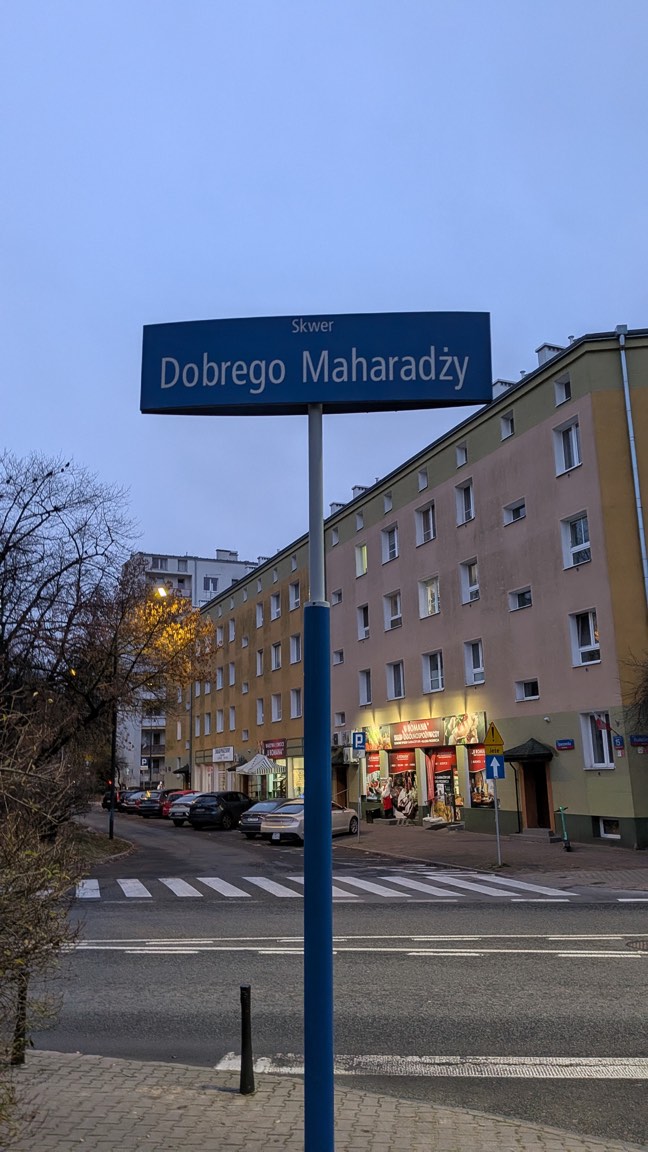
Poland hasn't forgotten. A large public square here, Dobry Maharadża Square, "Good Maharaja" in Polish, carries his name, complete with a monument bearing an inscription in Hindi: "Nawanagar ke Maharaja Jam Sahib." A local school is named after him too, a genuinely striking gesture for a country to make toward an Indian ruler most Indians themselves have never learned about. Prime Minister Modi visited and paid tribute here during a trip the previous year, and, as it turns out, a Bollywood film about the Maharaja, starring Sanjay Dutt, is reportedly scheduled for release in December 2026, a story finally getting more attention than it's had in decades.
The Palace of Culture and Science, and an unexpected Bollywood connection
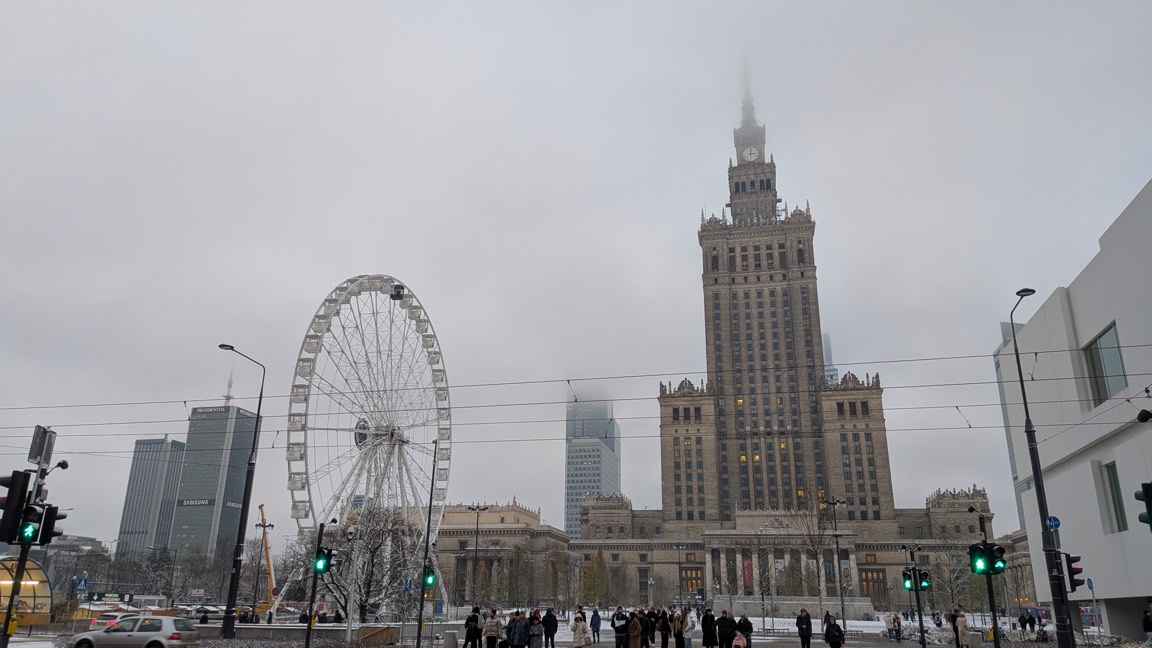
Crossing into Warsaw's New Town reveals an entirely different city: shopping malls, high-rises, international offices, and a Ferris wheel, before arriving at the Palace of Culture and Science, Warsaw's most recognisable skyline landmark. Officially described as a gift from the Soviet Union, its Soviet-style architecture tells a more pointed story, most likely built as a deliberate show of power, and possibly intended as a future occupation base. Nearly every other Soviet-era building in the city has since been replaced or heavily altered; this one survived largely because it was simply too useful to tear down, now home to offices, a theatre, and an observation deck.
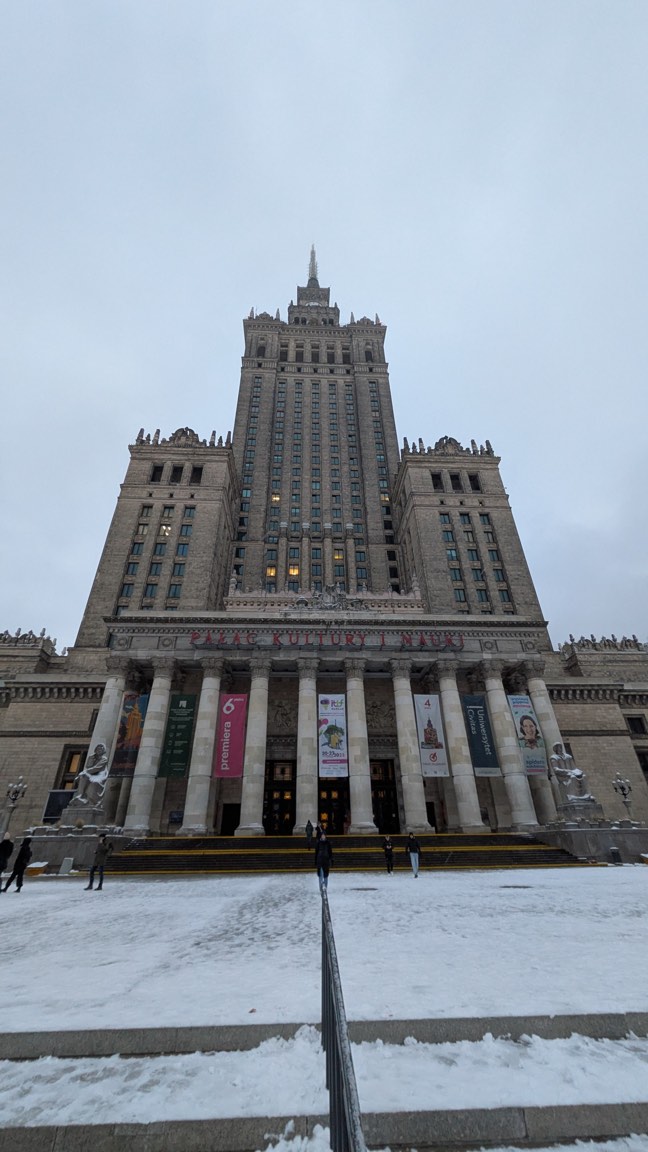
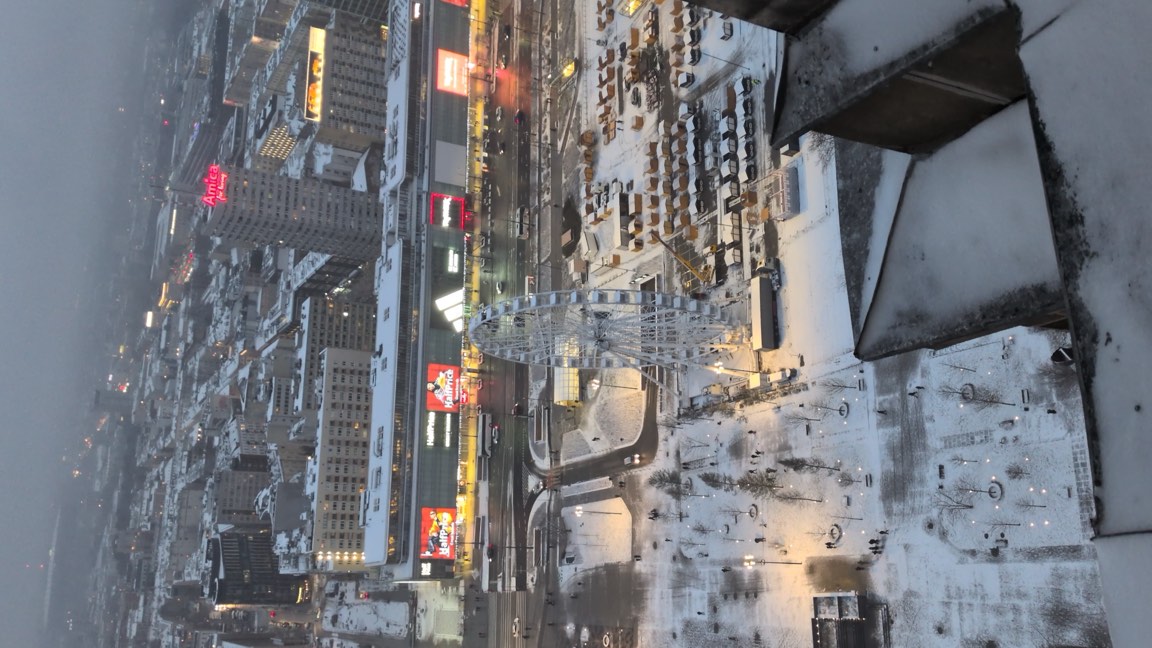
It also turns out to be a real filming location: a chase and fight sequence from the Bollywood film Kick, starring Salman Khan, was shot right on a flyover near this building. The observation deck itself offers sweeping views over modern Warsaw, international offices like Deloitte and Accenture visible among the skyline, snow-covered parks below, and, in a small personal aside, a Media Markt electronics store nostalgically similar to the one where an early camera was first bought on an earlier trip abroad, years before this channel existed. Poland's currency, the złoty, roughly matched to about 25 rupees, was never actually needed in cash form; card covered everything throughout this leg of the trip.
Two days into Poland without trying Polish food properly finally got corrected at a "milk bar," a subsidised, cheap-eats concept dating back decades, revived with government support in 2010 specifically to keep quick, affordable meals available. A tomato and rice soup, unusual as a combination but genuinely tasty, and pierogi filled with spinach and feta, dusted with a slightly too-sweet sugar topping, came to under 500 rupees combined, a properly affordable, satisfying local meal.
An unplanned detour back toward the hostel turned up Warsaw's Christmas lights in full swing, an unexpected callback to this channel's very first video, filmed wandering London's own Christmas lights almost exactly a year earlier.
A quick guide to surviving sub-zero travel
Temperatures through this stretch of the trip hovered between 0 and minus 4 degrees, cold enough to earn a proper packing checklist: multiple light clothing layers rather than one heavy one, so you can adjust as needed; a proper hat; waterproof shoes; hand and leg warmers, genuinely underrated additions; good gloves, leather or vegan leather holds up better against the cold than wool; and a refillable water bottle, since cold weather suppresses thirst even as dehydration quietly sets in regardless.
Practical tips for Warsaw
- Airport transfer: a weekend transport pass, if your dates line up, covers city travel and even a late-night bus back to the airport cheaply.
- Old Town: visit once in daylight and once lit up in the evening, the reconstructed streets look genuinely different in each.
- Museum of Warsaw: worth the time for the Warsaw Uprising history alone, even if the observation deck is weather-dependent.
- Palace of Culture and Science: the observation deck ticket is inexpensive and gives the best overview of the modern city.
- Winter visits: layer up properly and don't skip hand warmers, the cold here is a different kind than most Indian visitors are used to.