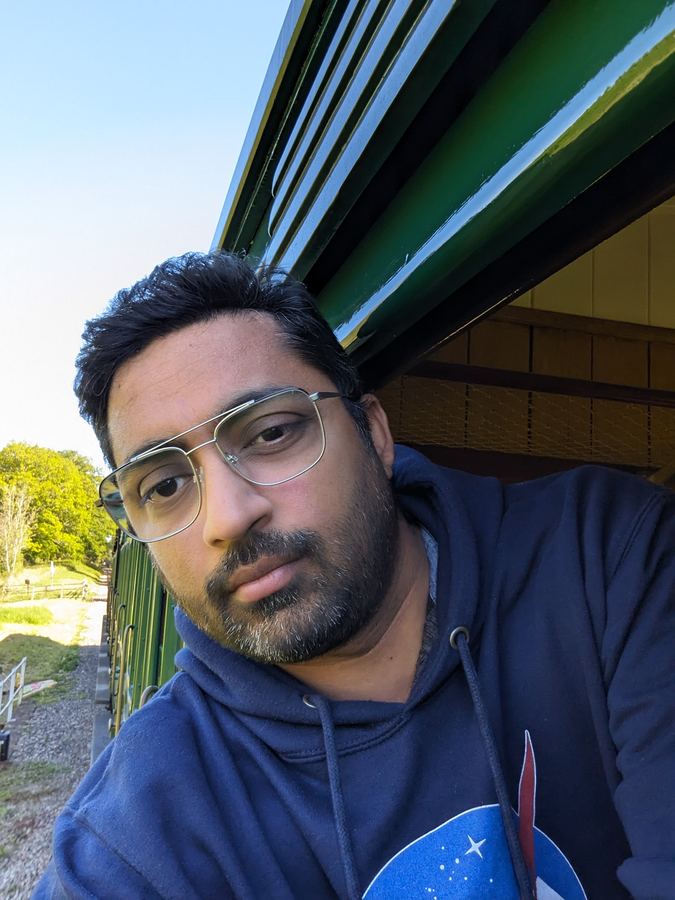
Italy gave the world pasta, pizza, garlic bread, espresso culture and the Vespa, and Rome is where most of that story still feels close enough to touch. This trip squeezed the highlights into two days: a gladiator arena, a city centre from the days of the Senate, fountains, a thousand-year-old temple turned church, and a lot of gelato.
The Colosseum, the Roman Forum, the Trevi Fountain, the Pantheon, and two days of eating my way around Rome.
A country that gave the world a lot
Italy's gifts to the world are hard to miss: pasta, pizza, garlic bread, and every coffee order that ends in an Italian word, cappuccino, americano, espresso, macchiato, along with the barista culture around them. My first motorbike, an LML Vespa, traces back to Italy too, and Christopher Columbus, who sailed to the Americas, was Italian. Rome is the capital, and it is also the city with the most to see, so the plan was to skip the small talk and start walking. The smallest country in the world sits right inside the city, and I covered it in the Vatican City post.
Inside the Colosseum
The Colosseum was started around 70 AD under the emperor Vespasian and finished while his son Titus was in charge. It is one of the wonders of the world and a UNESCO World Heritage Site, and it is an open-air amphitheatre, built at a time when there were no special effects, so the entertainment had to be real. The fights were real too.
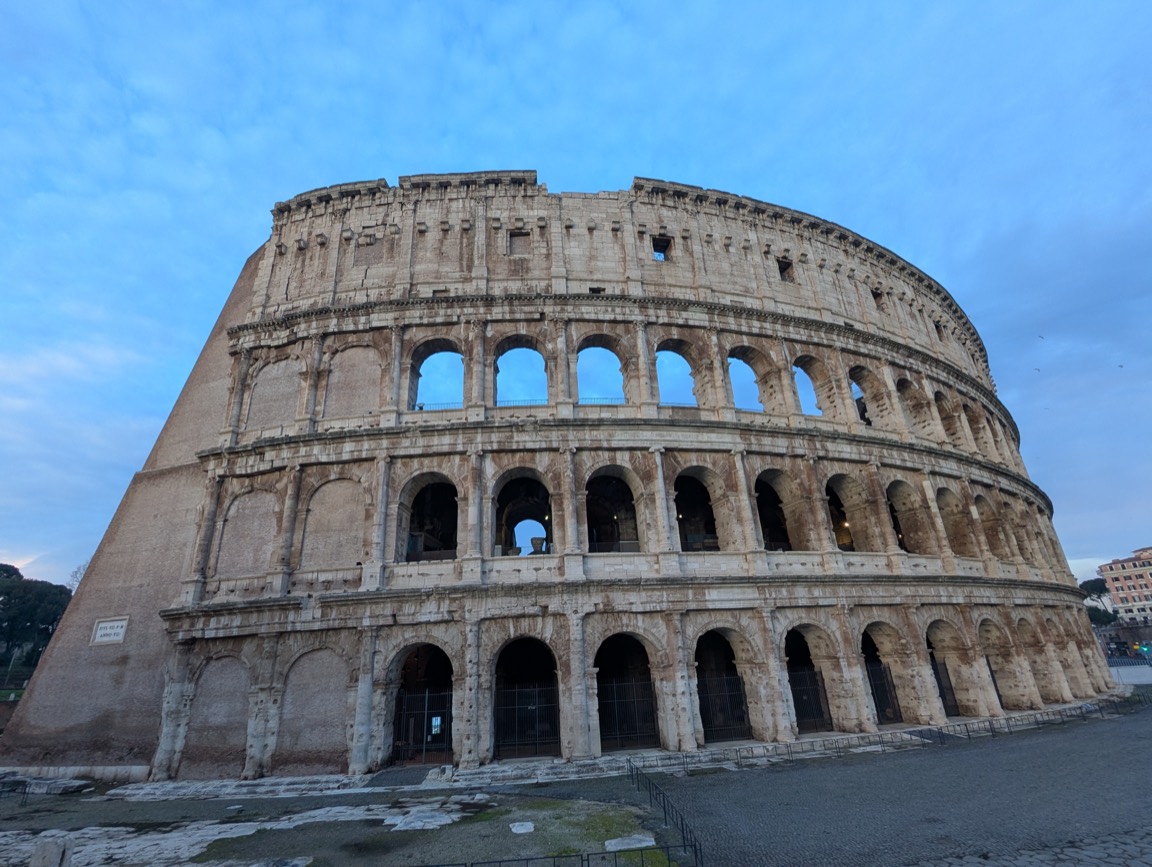
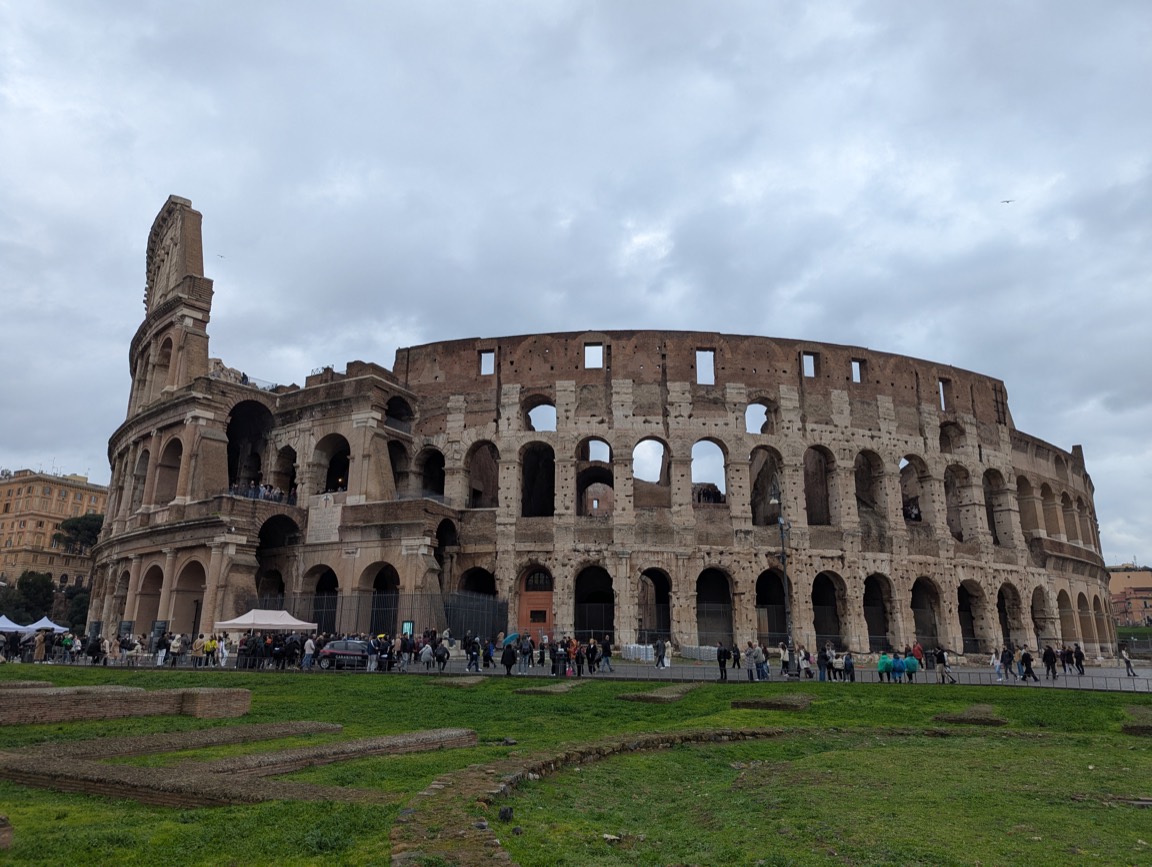
Enslaved people and prisoners captured in Rome's wars were made to fight as gladiators, sometimes against animals such as elephants and rhinos brought over from Africa. Around 50,000 people could sit and watch. Where you sat depended on who you were: the emperor and the senators, the VIPs of the day, had white marble seats closest to the action, ordinary citizens sat on the next level, and the enslaved sat at the very top. Below the floor, in the underground chambers, the animals and the enslaved were kept waiting.
A model of the original Colosseum, a full, closed oval, shows how much of the structure has been lost. Standing inside it, the obvious question is the one the film asks: are you not entertained?
The Roman Forum and Palatine Hill
The Roman Forum was the town centre of ancient Rome. The Senate met here, the government buildings stood here, and the markets were all around it. Among the ruins is the Temple of Julius Caesar, which Augustus had built to honour Caesar after his assassination.
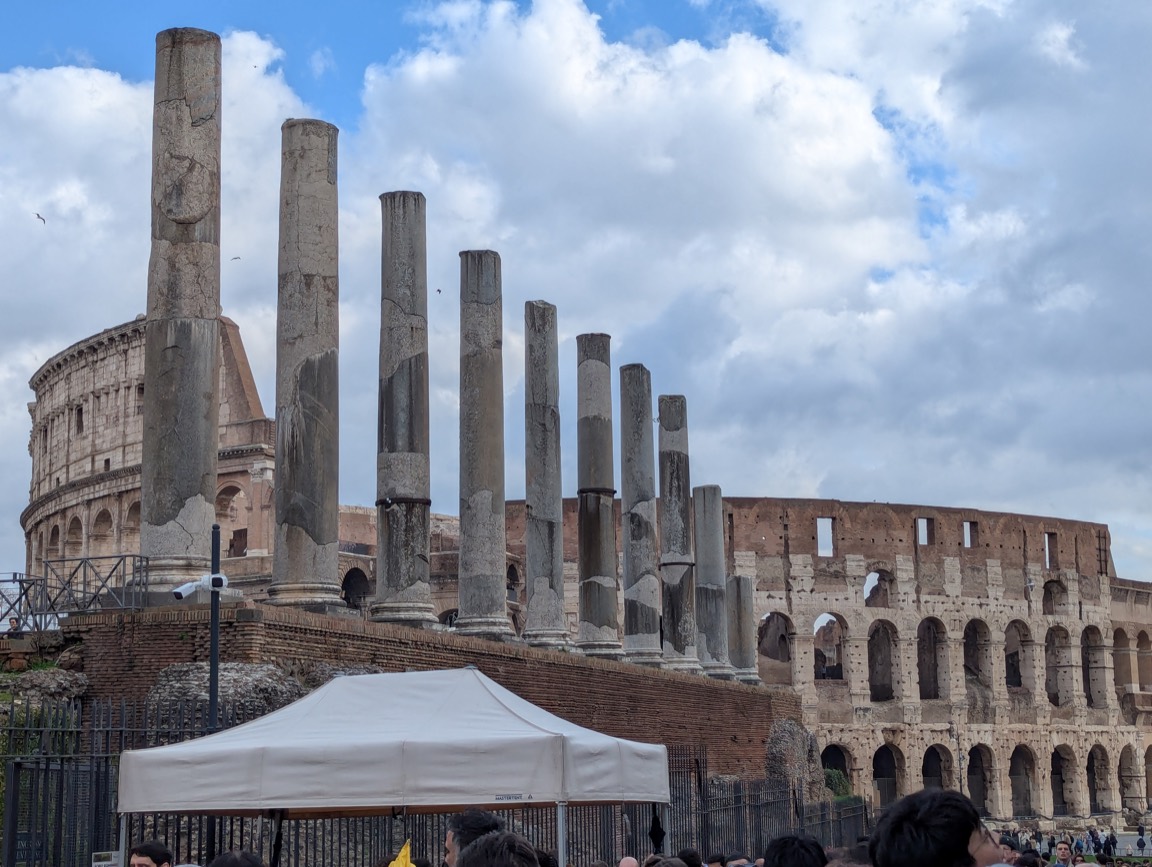
Above the Forum, Palatine Hill holds an imperial palace and a museum, and the city views from the top are some of the best in Rome. It was windy enough to make a mess of my hair, but the view was worth it.
The language of the ancient Romans was Latin. Italian grew out of it over the following centuries and, after the 10th century, began to appear as a language in its own right, which is why so many Italian words are easy to recognise from Latin roots.
A close call with a pickpocket
On the walk to the Altare della Patria, the National Monument, a man tried several different tricks to pick my pocket. I was alert and got away with nothing lost. Europe's busiest tourist spots attract this kind of crime, so stay aware of your surroundings, keep your valuables close, and don't let anyone distract you.
Nearby stands the Italian Parliament, with a tall Egyptian obelisk in front of it, brought from Egypt long ago.
The Trevi Fountain and the Spanish Steps
The Trevi Fountain is the one everyone knows. The tradition is to stand with your back to the fountain and toss a coin over your shoulder, and if you do, you are said to come back to Rome one day. Rome's street fountains are also a pleasant surprise: the water from them is fresh enough to drink.
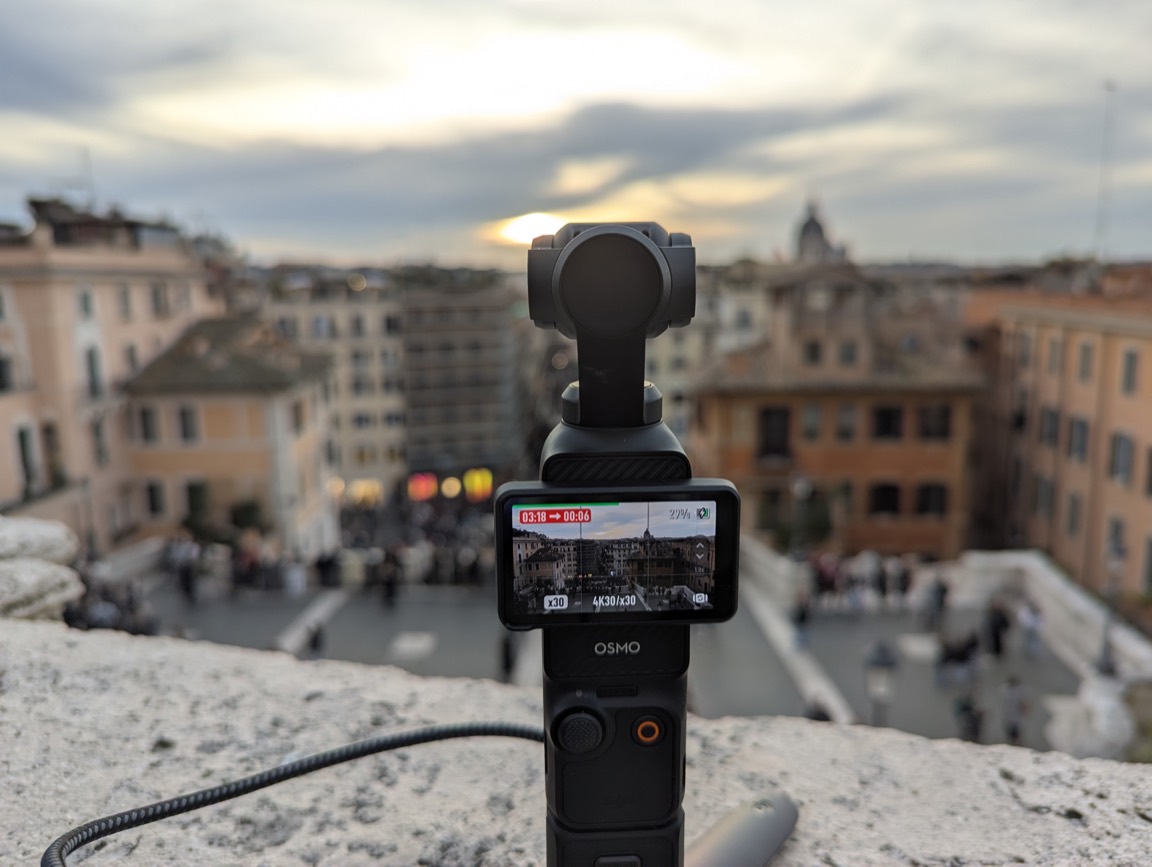
The Spanish Steps got their name because the Spanish Embassy stands right beside them. They are a good place to stop and watch the light change over the rooftops, and this is where the camera came out for the evening shots.
Finding vegetarian food in Rome
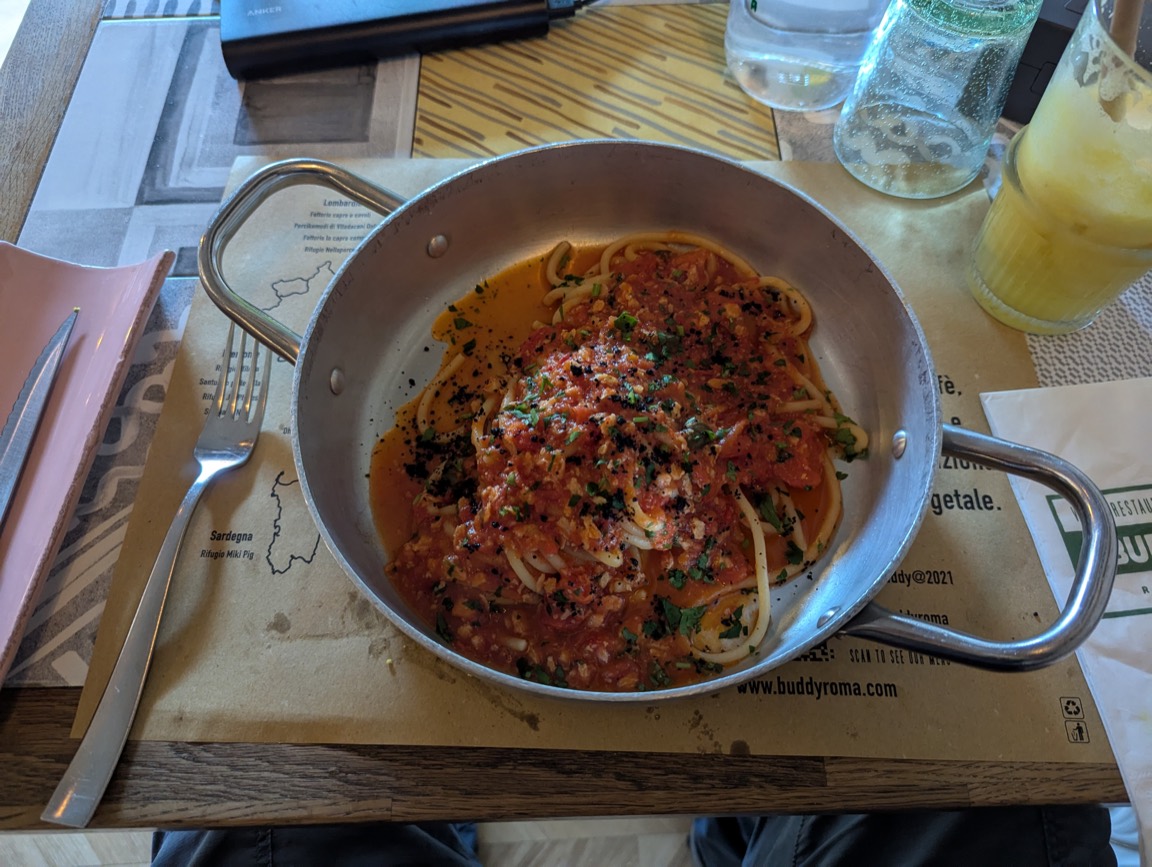
Indian food was the first mission, and Saravanaa Bhavan delivered: mini ghee idli with sambar, and a surprise, a friend from my college days turned up at the next table, the kind of coincidence you don't expect in a city this far from home. The next morning began the traditional Italian way, with a cornetto and a cappuccino, and the coffee really was excellent. A cup of gelato came later, and a vegetarian restaurant served bruschetta and a plate of hot spaghetti.
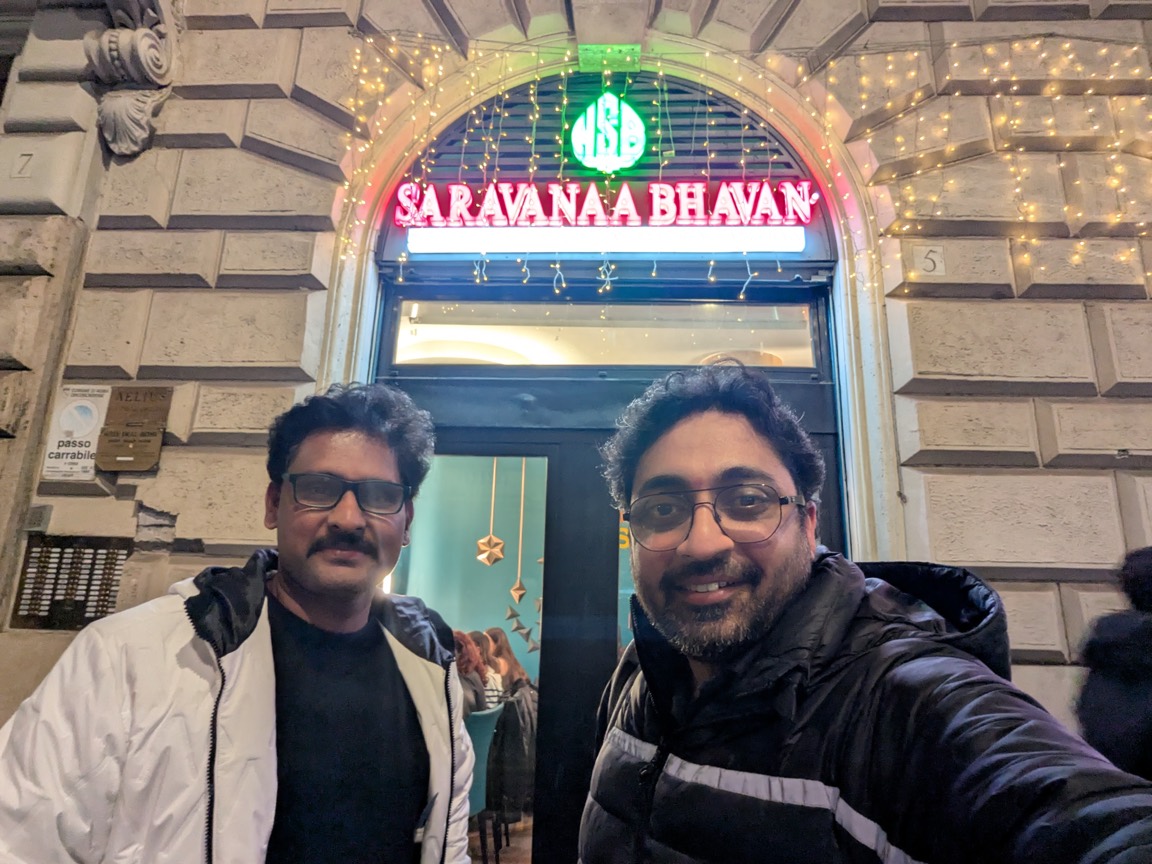
Rome is at its prettiest after dark, when the street lighting turns the old stone buildings warm and gold.
The Pantheon
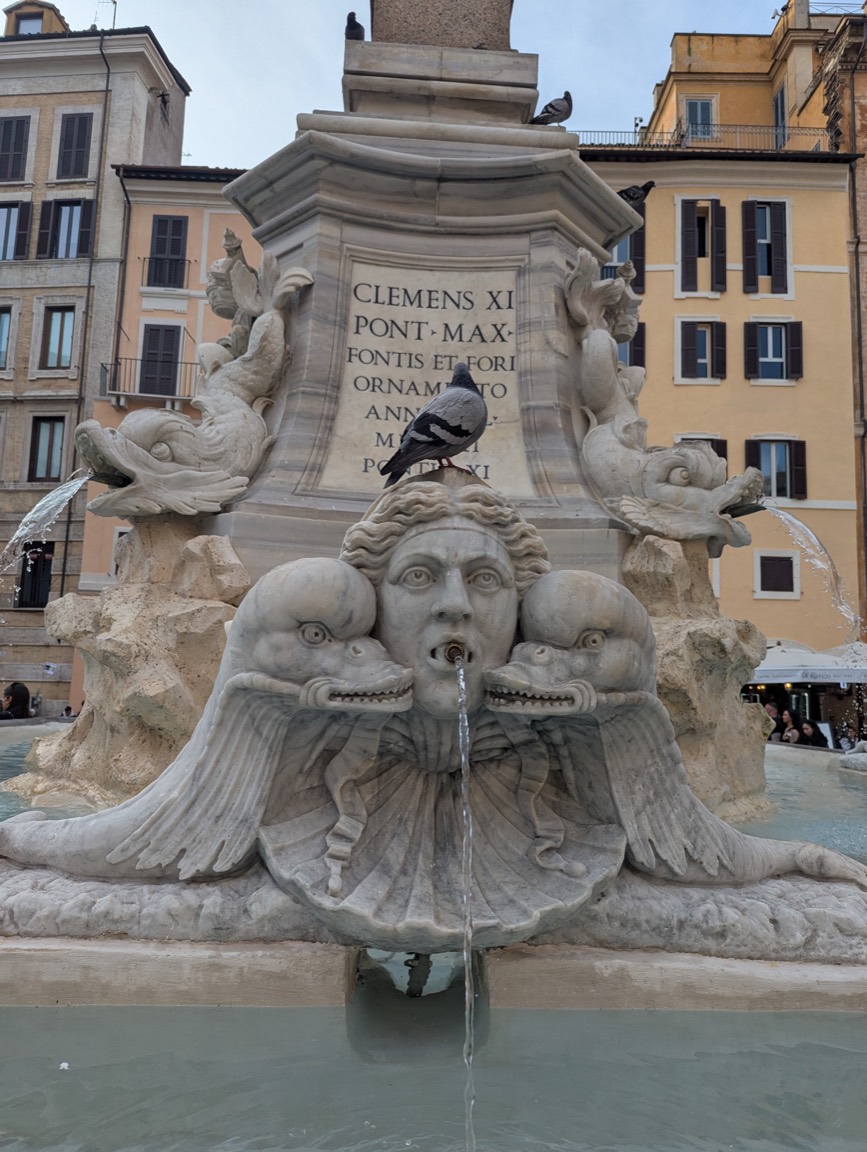
The Pantheon is the oldest temple still standing in the city. It was first built around 27 BC, rebuilt in the 2nd century, and later turned into a church. Its dome is crowned by an oculus, a round opening open to the sky, and the way the building is engineered, with a dome this large and no modern supports, is an achievement on its own. In front of it, in Piazza della Rotonda, a fountain with an obelisk keeps the square company.
A Hindu temple, closed
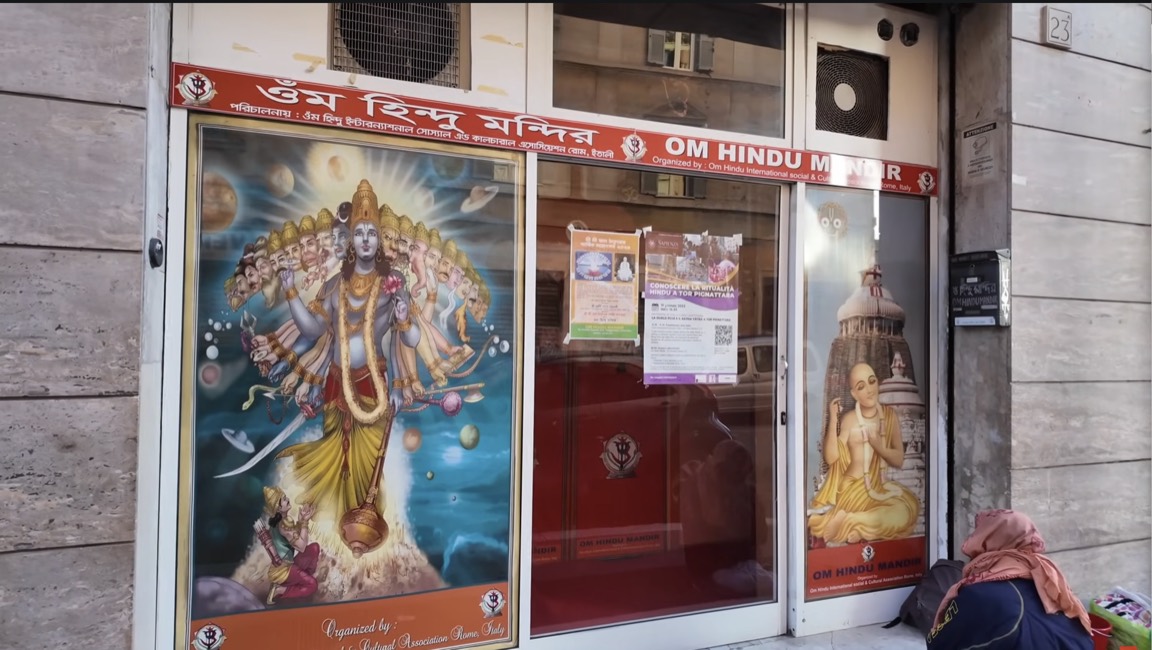
One stop that didn't go to plan was the Om Hindu Mandir in Rome, which was closed when I arrived. Outside, an elderly man sat singing Hare Krishna bhajans, which was a fitting soundtrack for the last stop of the trip before the airport.
Practical tips for Rome
- Pickpockets: stay alert around the big monuments and in crowds, and keep bags closed and in front of you.
- Colosseum: go early if you can, the crowds build up fast, and it looks best in the morning light.
- Trevi Fountain: throw a coin over your shoulder with your back to the water, the tradition says it means you'll return.
- Street fountains: the water is drinkable, so carry a bottle and refill it as you go.
- Vegetarian food: Rome has plenty, from pasta and bruschetta to Indian restaurants like Saravanaa Bhavan.
- Hindu temple visits: check the opening hours first, the Om Hindu Mandir was closed on the day I went.